Click icon again to close
The blog
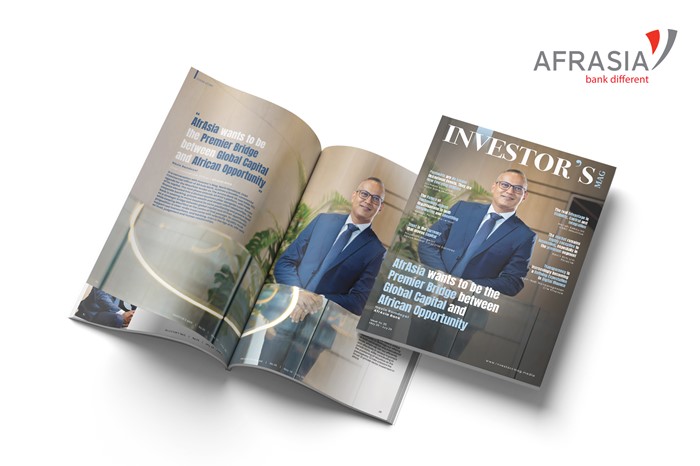
AfrAsia is entering a new phase in its development. From a commercial standpoint, what are your main priorities today?
Since its creation in 2007, AfrAsia Bank Ltd has always occupied a differentiated position in the Mauritian banking industry. The founding vision for the bank was to become the financial conduit to bridge the Africa-Asia corridor with the world by leveraging the Mauritius International Financial Centre (IFC). In 2026, our expanded vision is to connect Africa to the rest of the world and the world to Africa, while confirming our commitment to Mauritius as a trusted, well-regulated and sophisticated IFC.
From a commercial perspective, we have positioned the bank as the preferred strategic financing partner of our clients, supporting them across the full spectrum of their needs - from transactional banking to the most sophisticated financing solutions. We aim to service our existing business segments and enhance the client experience and our responsiveness with tailor-made value propositions. Our goal is to become strategically positioned to accompany our clients on their business transformation journey, in the quest for sustained growth, while continuously innovating to meet our clients’ evolving needs and expectations.
Strengthening our regional and international connectivity has a vital role to play to achieve this goal, for which we are well on track, with the bank now being 76% owned by The Access Bank UK. With the pan-African network of Access Group encompassing more than 16 countries, and a presence in key financial market centres such as London, Paris and Hong Kong, we have a unique opportunity to leverage our offering at both continental and international levels, where we can act efficiently and effectively in several important jurisdictions, while contributing to the positioning of Mauritius as the passageway to take onboard the thrust of private sector investment in Africa.
We also have the ambition to continue expanding our international footprint, where the existing presence of Access Group in key financial markets and emerging markets puts us in pole position to accelerate our strategic development and benefit from new commercial prospects.
In terms of growing our lines of business, being majority-owned by a strategic banking shareholder with a proven track record in Trade Finance, we have recently added the Trade Finance segment as an additional business pillar in order to support trade with Africa and also intra-African trade. Trade finance drives cross-border trade, helping foster trust between parties through the use of appropriate financing instruments. We are now well positioned to facilitate such trade finance solutions in key markets in Africa, noting that there is an estimated financing gap of USD120 billion across the continent, according to the African Development Bank.
You have moved from international corporate banking into the role of Chief Commercial Officer. How has that broader mandate changed the way you look at the bank’s growth strategy?
I would say that my new role as Chief Commercial Officer has given me a new perspective by fundamentally widening my lens to take account of a bank-wide integrated growth agenda. My focus is to ensure that all business lines work seamlessly in a coordinated fashion to maximise total client value.
For me, behind every business, there are individuals driving ideas to create wealth. The process is nurtured from the initial idea to the creation of value and growth, then to the protection of the value generated and ultimately to the distribution of the wealth through appropriate succession planning. I have always strongly believed that a banking partner should understand the value chain vividly. My new role allows me to strategise and support clients from a vertical to a horizontal approach, ultimately culminating in an integrated growth perspective. I also believe that it is important to blend technology and customer service in order to provide the best customer experience.
AfrAsia has built its identity around cross-border banking, wealth and international business. Where do you see the strongest commercial momentum at the moment?
It is true to say that we have built our success around strong pillars such as Private Banking, Corporate Banking and Global Business Banking, which will remain key pillars of our commercial strategy, whereby we apply an integrated approach to service our customers from the traditional transactional products to the most sophisticated financing solutions.
With the extended presence of the Access Group in Africa, and leveraging on the Mauritius IFC, the global business and international banking segments remain critical growth engines for the bank alongside the domestic business. If we take the example of corporate banking - a segment I have long been engaged with - it continues to represent a key thrust of our transformation strategy, where last year we registered an increase of 28% on the domestic market and 26% internationally.
While being well positioned to service the businesses, we are also poised to service the key minds behind the business through a dedicated Private Banking team supported with the appropriate investment solutions. We have been working with international banks and investment banks to reposition our Private Banking offering to ensure that we remain a benchmark in this field, creating greater value with truly bespoke services.
Beyond these well-established service lines, the key additional strategic pillar in our commercial strategy is trade finance, where we can leverage upon the proven track record and experience of the Access Group in this business. With our expanded international footprint, our teams are now able to track our clients’ international flows and are even better equipped to support our mission of connecting Africa to the world and the world to Africa.
In a banking market that is becoming more competitive, what do clients value most today when choosing a bank such as AfrAsia?
Banking decisions are fundamentally anchored in trust and stability. This goes beyond the relationship with the bank but also the wider jurisdiction as clients seek assurance in both the institutional capabilities and the jurisdictional ecosystem that underpins its credibility. AfrAsia has built a strong reputation among its clients for placing relationship banking at the heart of its service, and our robust financial performance also provides reassurance of the stability we bring from our base in Mauritius, which is well recognised and appreciated by our international clients as a reputed IFC.
Our true differentiator lies in our sustained client loyalty, earned through exceptional service, unparalleled responsiveness and the breadth of our market reach. Operational excellence is vital to sustaining high-quality service delivery. As we leverage technology to support our commercial ambitions, we remain committed to the relationship-driven approach that has shaped our success over the years. Even in a digital world driven by Artificial Intelligence, banking remains fundamentally human.
Moreover, in today’s globalised environment, clients require banking partners who not only understand complexity, but who can proactively respond with relevant, tailor-made solutions. That is why we place significant emphasis on developing our people, ensuring they are equipped with the skills, exposure, and expertise needed to serve our clients at the highest level. Through strategic staff exchange programmes with our international offices, notably in the UK, we cultivate broader capabilities and global perspectives. At its core, our differentiation lies in how effectively, dependably, and intelligently we support our clients’ ambitions across jurisdictions while developing our key talents to offer world-class service quality.
As a bank focused on connecting Africa to the World and the World to Africa, how does AfrAsia translate this strategic positioning into commercial opportunities, in practical terms?
In truth, our brand positioning only matters if it translates into value creation for our clients —and in practice, it does so across a few very concrete levers:
Firstly, in terms of our role as a bridge, AfrAsia is enabling real transactions between Africa and the World. We are positioned with Trade Financing structures and Financial Institution (FI) Funding solutions to create liquidity through the corridor.
Secondly, by leveraging Mauritius’ established position as an International Financial Centre (IFC) of repute, we are able to support complex cross-border structures that channel investment into Africa and other key markets. This includes enabling holding companies, treasury centres, and investment platforms that drive business opportunities not only in lending, but also across corporate banking, custody, and strategic advisory.
Third, it is notable that many cross-border clients are entrepreneurs or family-owned groups. The ‘bridge’ allows us to serve both sides of the coin—the corporate (financing, trade, cash management) and the individual (wealth management, succession, diversification)—significantly increasing overall wallet share.
With the rapid growth in trade between Africa and the rest of the world, we have a crucial role to play in supporting these commercial exchanges. We already have a strong track record in accompanying conglomerates from Mauritius as they seek to achieve their goals of regional expansion. As part of Access Group’s broader African footprint, we are now able to offer clients access to even wider regional opportunities while reinforcing our collaborative approach across markets.
You have spent years working on African corporate and financial-institution relationships. How do you see demand evolving from clients doing business across the continent?
Over the years, we have observed a significant shift in how businesses operate across the African continent. As the demand for large-scale infrastructural development grows to support regional growth, many businesses have had limited choice but to become increasingly corporatised to access necessary funding.
This evolution has made client requirements far more sophisticated, and solutions-driven. We are seeing a clear transition from one-off trades to the establishment of robust regional platforms, characterised by centralised treasury centres, formalised supply chains and long-term investment strategies for better value optimisation.
Consequently, demand has moved beyond basic lending towards complex cash management, liquidity optimisation and seamless multi-country banking solutions. With our presence in Africa and the established IFC in Mauritius, we are uniquely positioned to accompany these clients at a local, regional and international level.
In an environment of extended payment cycles and global supply chain pressures, there is a rising appetite for trade finance and structured working capital solutions that can unlock vital liquidity without overstretching balance sheets. Furthermore, as clients look towards regional expansion, they are becoming increasingly selective, preferring fewer, high-calibre banking partners capable of servicing multiple jurisdictions over managing fragmented, country-by-country relationships.
We also recognise that, in the African context, there is a profound and natural link between ownership and management, where individual minds drive business growth. This necessitates a holistic approach that integrates corporate banking with Private Banking services, focusing on succession planning, diversification and capital preservation. This integrated banking solution is a critical activity for both the bank and our clients.
AfrAsia’s growth has been supported by stronger business volumes in several areas. From your perspective, which segments are contributing most meaningfully to that momentum?
The momentum we are currently experiencing is driven by a combination of complementary segments rather than a single engine, creating a robust and diversified growth trajectory. A defining feature of our bank is that more than 75% of our deposit base consists of non-residents. This provides a natural and significant competitive edge for our Global Banking and International Corporate segments, while simultaneously acting as a vital pipeline for our Private Banking and Wealth Management divisions.
Given the bank’s strong liquidity profile, combined with the group’s proven expertise in cross-border trade flows on the continent, our international corporate banking business is becoming an increasingly significant engine of growth.
Beyond our ambitions in international markets, our strong commitment and positioning also translate into accompanying our domestic clients throughout their growth journeys, both locally and as they expand regionally.
This balanced approach—blending international reach with strong local support—has proven to be a highly successful strategy for the bank and continues to underpin our ongoing success.
The bank now benefits from the presence of The Access Bank UK in its shareholding. How does that change the commercial conversation with clients and counterparties?
The advent of The Access Bank UK as our majority shareholder has been a genuine game-changer for AfrAsia. It marks our evolution from a niche cross-border bank into a strategic gateway, backed by a leading African banking group. This transition resonates strongly with clients who require both international access and a high level of African execution capability. By belonging to one of the largest African banking groups— serving over 60 million customers—we have significantly strengthened our ability to connect Africa to the world and the world to Africa.
The synergy within this partnership is driven by a unique dual-track structure. On the one hand, we benefit from the international footprint of The Access Bank UK, with its presence in key financial hubs such as London, Paris, Malta, Dubai, and Hong Kong. It is important to note that The Access Bank UK is a separate legal entity, regulated by the Prudential Regulation Authority and the Financial Conduct Authority in the UK, with its management based in London. This international division, which also includes representative offices in India and China, works in close alignment with Access Group Plc in Nigeria.
On the other hand, the African division, managed by Access Group Plc, provides us with an on-the-ground presence across 16 countries, including Ghana, Cameroon, Kenya, Tanzania, South Africa, and the DRC among others. This creates a consolidated bridge that facilitates cross-border flows and capital exchange. We are now uniquely positioned to accompany our domestic clients in their regional expansion through an integrated banking experience, while simultaneously guiding clients from our sister subsidiaries into the Mauritian IFC.
Commercial growth in banking is not only about ambition; it is also about discipline. How do you balance expansion with selectivity in the current environment?
We believe that sustainable growth is only achievable through a careful balance of ambition and discipline. Our expansion strategy is intentionally poised on specific clients, corridors, products, and markets where we have a clear, competitive edge, underpinned by our group’s proven track record. This focus ensures that we are not merely chasing transactions, but rather building and leveraging deeprooted relationships that offer long-term value.
We operate within a strict risk framework and strategy, which prioritises the long-term resilience of our balance sheet. Central to this is a disciplined approach to the risk return profile. For example, while we have successfully accelerated lending activity across key business segments — reflected in an improved loan-to deposit ratio of 34% as at December 2025, up from 27% the previous year, we have simultaneously preserved a strong Capital Adequacy Ratio of 18.70%.
Our strategy is to improve profitability in a sustainable way by refining our risk management processes and adhering to a ‘Balanced Portfolio’ mindset that seeks steady, predictable growth over high-risk, short-term gains.
In the current environment, selectivity is our primary tool for risk mitigation. By concentrating on our core strengths, we ensure that every expansion effort remains aligned with our governance framework. This allows us to meet the increasing sophistication of our clients’ needs while ensuring a secure banking environment and capital preservation, even amidst global market volatility.
Looking ahead, what would commercial success look like for AfrAsia over the next two to three years?
I would say that commercial success for AfrAsia over the next two to three years will be defined by growth that is characterised by quality, resilience, and scalability. Our objective is to achieve a growth trajectory that is strictly capital-efficient and remains
carefully aligned with our clearly defined risk appetite. We are not just looking for expansion in size, but expansion in stability and value.
A primary marker of this success will be a significantly stronger and more diversified revenue base. While we are firmly advancing our ambition to become a recognised trade finance leader across Africa, our broader mandate remains to support corporate clients as a strategic partner in both domestic development and international expansion, spanning sectors such as hospitality, agribusiness, and beyond. Private Banking will continue to anchor our franchise, distinguished by a premium client proposition and differentiated experience, while future priorities will centre on scaling our international Private Banking offering to capture new avenues of growth.
Equally important to our success is the depth of our client engagement. We are moving beyond transactional banking to deliver deeper, more valuable client relationships. Success will mean an increased wallet share among our key clients, achieved by providing the sophisticated, integrated solutions they require as they grow. Ultimately, we envision AfrAsia as the premier bridge between global capital and African opportunity, recognised for our ability to deliver high-impact results through a disciplined and relationship-led approach.
Focus
Other
Stories
Stories
-
 Expert views
May 06, 2026
A Strategic Window in a Volatile World
Expert views
May 06, 2026
A Strategic Window in a Volatile World
-
 Expert views
January 20, 2026
What is the right investment strategy for you?
Expert views
January 20, 2026
What is the right investment strategy for you?
-
 Expert views
October 22, 2025
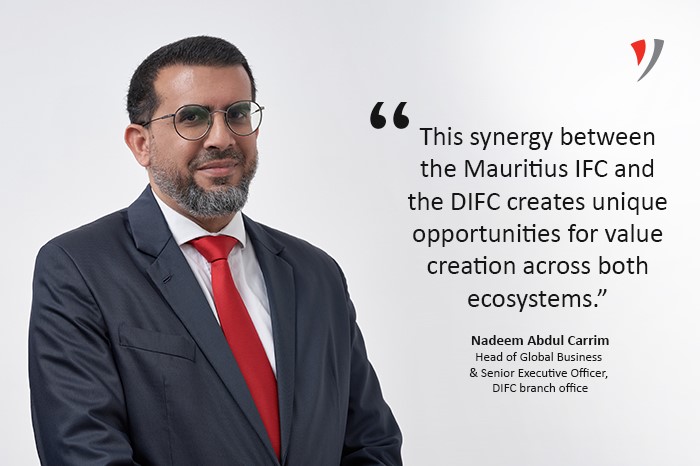
Mauritius–UAE: A Strategic Bridge to Africa
Expert views
October 22, 2025
Mauritius–UAE: A Strategic Bridge to Africa
-
 Expert views
August 14, 2024
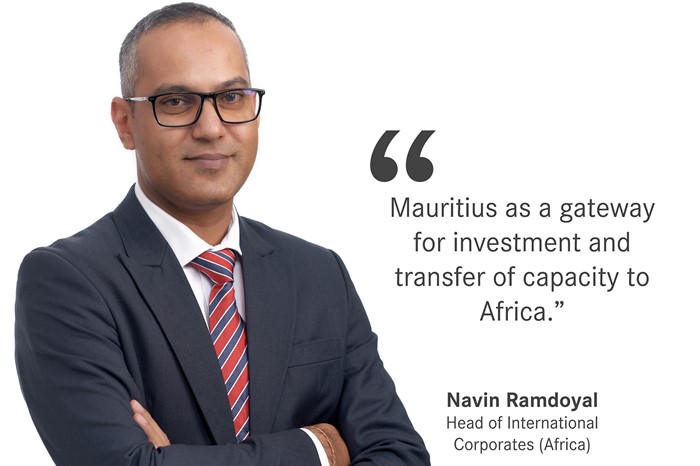
Mauritius as a gateway for investment and transfer of capacity to Africa.
Expert views
August 14, 2024
Mauritius as a gateway for investment and transfer of capacity to Africa.
-
 Expert views
July 26, 2024
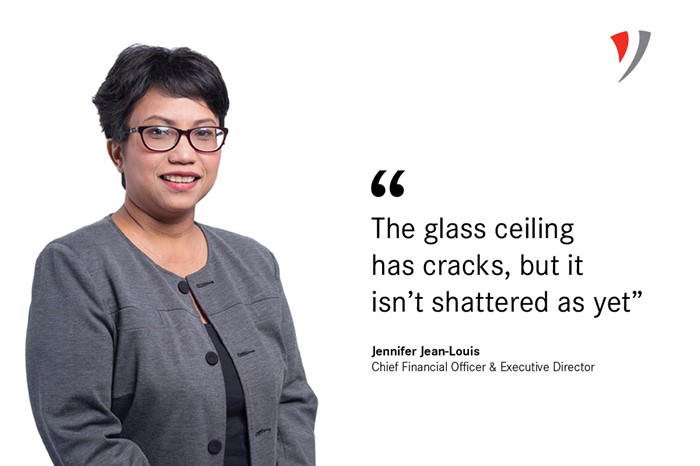
We have seen a marked increase in initiatives aimed at supporting women’s entry and advancement in the finance industry.
Expert views
July 26, 2024
We have seen a marked increase in initiatives aimed at supporting women’s entry and advancement in the finance industry.
-
 Expert views
June 11, 2024
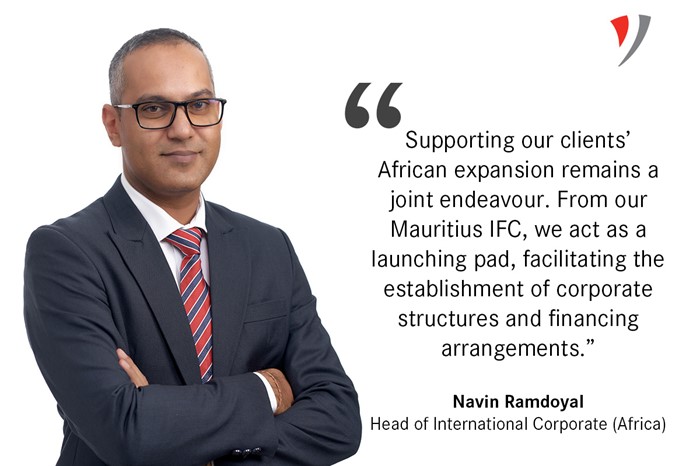
With Africa’s projected continued growth, a robust banking network is crucial.
Expert views
June 11, 2024
With Africa’s projected continued growth, a robust banking network is crucial.
-
 Expert views
March 15, 2024
Tailored Financial Excellence: Mauritius’ Unique Investor Advantages
Expert views
March 15, 2024
Tailored Financial Excellence: Mauritius’ Unique Investor Advantages
-
 Expert views
May 11, 2023
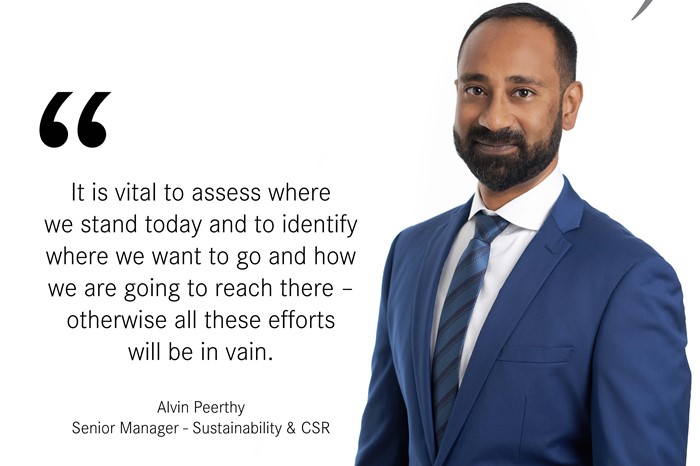
Banking on sustainable finance to scale up the Mauritius IFC
Expert views
May 11, 2023
Banking on sustainable finance to scale up the Mauritius IFC
-
 Expert views
May 10, 2023
Mauritius & South Africa: A mutually beneficial trade relationship
Expert views
May 10, 2023
Mauritius & South Africa: A mutually beneficial trade relationship
-
 Expert views
April 17, 2023
Mauritius IFC: From a conventional jurisdiction to a forward-looking hub
Expert views
April 17, 2023
Mauritius IFC: From a conventional jurisdiction to a forward-looking hub
-
 Golf
December 18, 2022
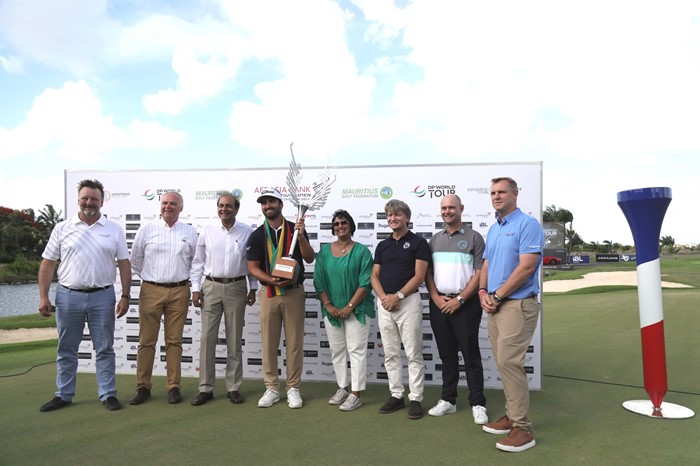
Record win for Rozner in AfrAsia Bank Mauritius Open
Golf
December 18, 2022
Record win for Rozner in AfrAsia Bank Mauritius Open
-
 Golf
December 17, 2022
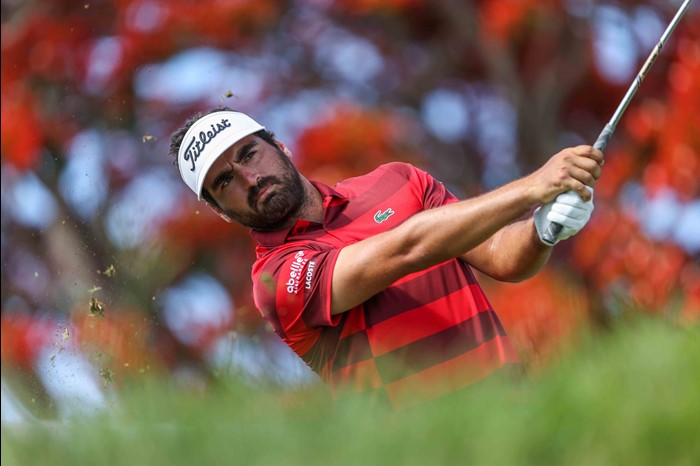
Rozner chasing AfrAsia Bank Mauritius Open glory
Golf
December 17, 2022
Rozner chasing AfrAsia Bank Mauritius Open glory
-
 Golf
December 16, 2022
Rozner in the hunt again at AfrAsia Bank Mauritius Open
Golf
December 16, 2022
Rozner in the hunt again at AfrAsia Bank Mauritius Open
-
 Golf
December 15, 2022
Course record for Välimäki to lead AfrAsia Bank Mauritius Open
Golf
December 15, 2022
Course record for Välimäki to lead AfrAsia Bank Mauritius Open
-
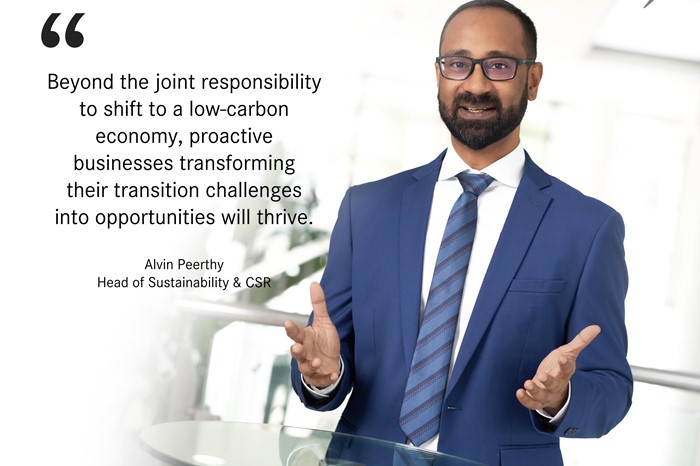 Expert views
December 01, 2022
Africa’s Drive Towards Sustainability: Launch of ESG GPS in Mauritius
Expert views
December 01, 2022
Africa’s Drive Towards Sustainability: Launch of ESG GPS in Mauritius
-
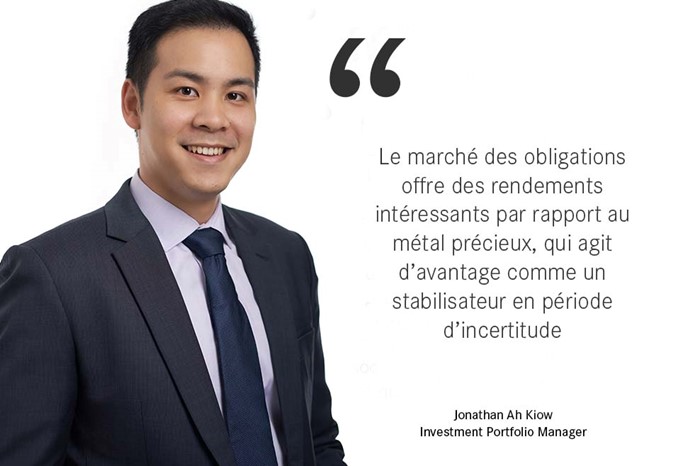 Expert views
October 20, 2022
Quelle est l'influence des taux d'intérêt sur le prix de l'or?
Expert views
October 20, 2022
Quelle est l'influence des taux d'intérêt sur le prix de l'or?
-
 Golf
October 18, 2022
Mont Choisy Le Golf set to impress as host of 2022 AfrAsia Bank Mauritius Open
Golf
October 18, 2022
Mont Choisy Le Golf set to impress as host of 2022 AfrAsia Bank Mauritius Open
-
 Golf
September 16, 2022
Burmester confirmed for 2022 AfrAsia Bank Mauritius Open
Golf
September 16, 2022
Burmester confirmed for 2022 AfrAsia Bank Mauritius Open
-
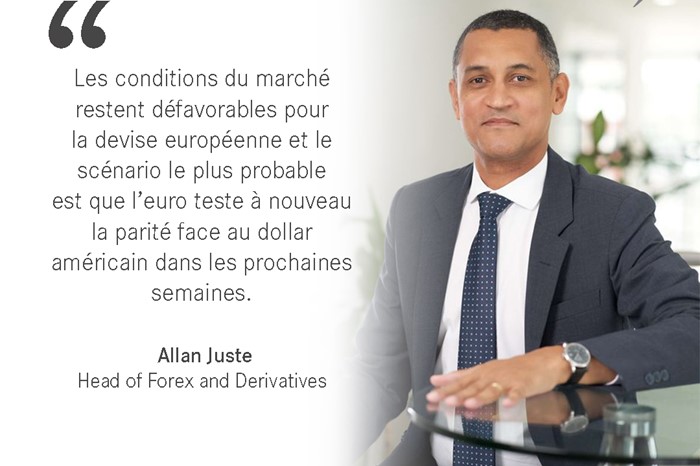 Expert views
July 28, 2022
EUR/USD – la roupie prise en étau
Expert views
July 28, 2022
EUR/USD – la roupie prise en étau
-
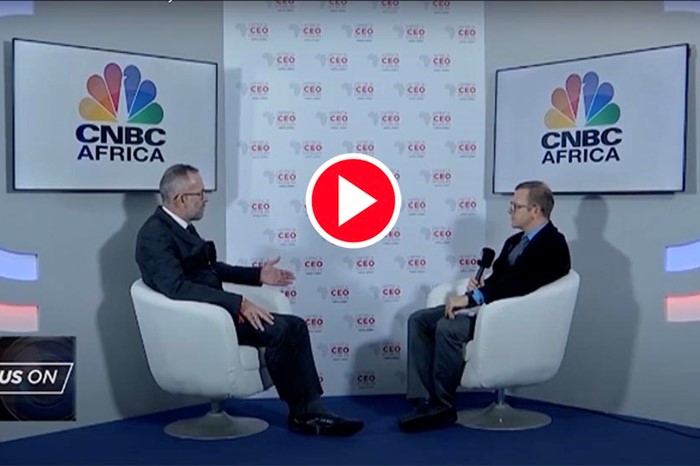 Expert views
June 01, 2022
Africa CEO Forum 2022 - Malachy McAllister on CNBC Africa
Expert views
June 01, 2022
Africa CEO Forum 2022 - Malachy McAllister on CNBC Africa
-
 Differentiate. Inspire. Celebrate
April 29, 2022
AfrAsia Bank further sharpens its expertise with Elliott Wave Certification
Differentiate. Inspire. Celebrate
April 29, 2022
AfrAsia Bank further sharpens its expertise with Elliott Wave Certification
-
 Expert views
March 04, 2022
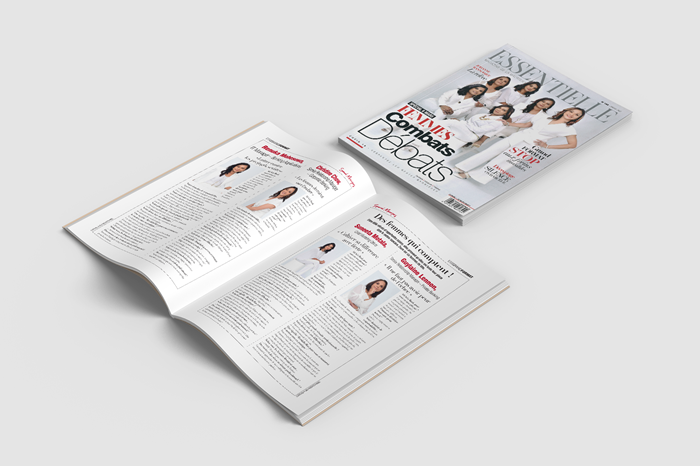
Journée des droits des femmes: STOP aux freins invisibles
Expert views
March 04, 2022
Journée des droits des femmes: STOP aux freins invisibles
-
 Expert views
March 04, 2022
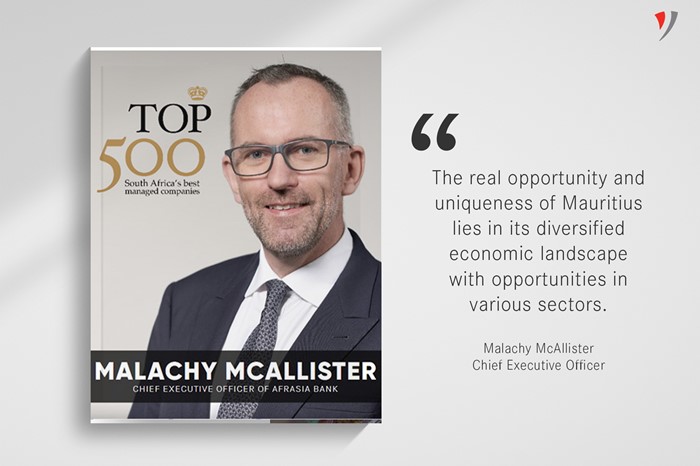
The real opportunity and uniqueness of Mauritius lies in its diversified economic landscape with opportunities in various sectors.
Expert views
March 04, 2022
The real opportunity and uniqueness of Mauritius lies in its diversified economic landscape with opportunities in various sectors.
-
 Expert views
March 02, 2022
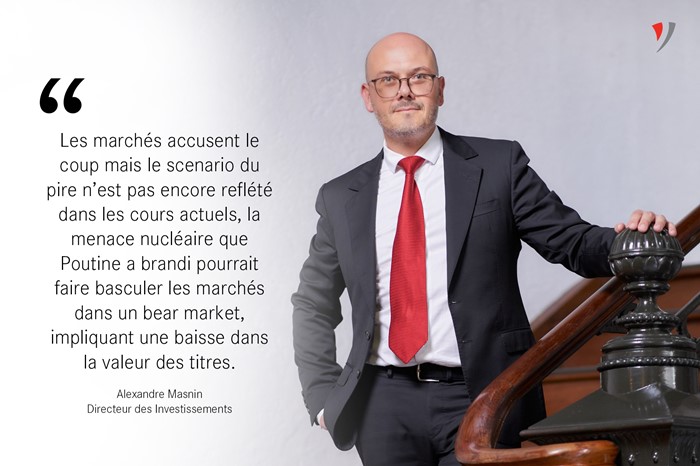
La crise Russie-Ukraine : Quels sont les enjeux financiers à prévoir ?
Expert views
March 02, 2022
La crise Russie-Ukraine : Quels sont les enjeux financiers à prévoir ?
-
 Testimonials
February 08, 2022
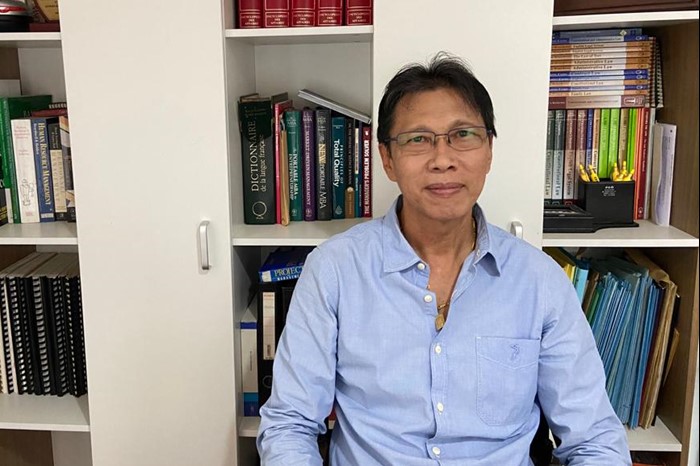
'AfrAsia Bank has always been a trusted financial partner for us.'
Testimonials
February 08, 2022
'AfrAsia Bank has always been a trusted financial partner for us.'
-
 Testimonials
February 08, 2022
“ Their legacy-building ethos and customer service structure resonates with us.”
Testimonials
February 08, 2022
“ Their legacy-building ethos and customer service structure resonates with us.”
-
 Expert views
January 19, 2022
Preserving the human touch in banking in the digital age
Expert views
January 19, 2022
Preserving the human touch in banking in the digital age
-
 Expert views
November 22, 2021
Mauritius is back in business – What to expect for the Tourism/Hospitality and Real Estate sectors?
Expert views
November 22, 2021
Mauritius is back in business – What to expect for the Tourism/Hospitality and Real Estate sectors?
-
 Expert views
November 22, 2021
A new era for the Mauritius IFC
Expert views
November 22, 2021
A new era for the Mauritius IFC
-
 Expert views
November 22, 2021
A Purposeful Brand - It's not about 'I', it's about 'We'
Expert views
November 22, 2021
A Purposeful Brand - It's not about 'I', it's about 'We'
-
 Expert views
November 03, 2021
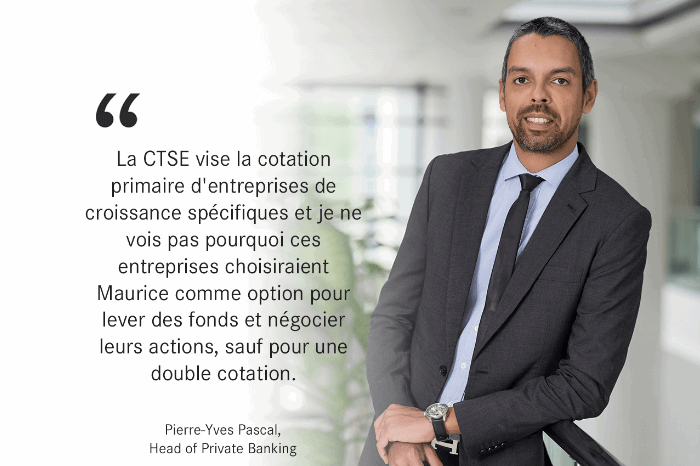
Quels sont les enjeux pour la Bourse de Maurice avec l’arrivée du Cape Town Stock Exchange ?
Expert views
November 03, 2021
Quels sont les enjeux pour la Bourse de Maurice avec l’arrivée du Cape Town Stock Exchange ?
-
 Expert views
October 20, 2021
#Stagflation : Comment s’adapter à cet nouvel ordre économique ?
Expert views
October 20, 2021
#Stagflation : Comment s’adapter à cet nouvel ordre économique ?
-
 Expert views
October 20, 2021
Fonds d’investissements : Est-ce le moment d’investir ?
Expert views
October 20, 2021
Fonds d’investissements : Est-ce le moment d’investir ?
-
 Expert views
October 18, 2021
Marché des changes: Quel est l’impact sur nos réserves en devises étrangères ?
Expert views
October 18, 2021
Marché des changes: Quel est l’impact sur nos réserves en devises étrangères ?
-
 Expert views
September 15, 2021
« Le marché de la banque privée est amené a plus que doubler au cours des cinq prochaines années »
Expert views
September 15, 2021
« Le marché de la banque privée est amené a plus que doubler au cours des cinq prochaines années »
-
 Expert views
September 01, 2021
Rather than a purely government or business matter, country branding is more of a concerted and integrated effort made by all stakeholders, including the population.
Expert views
September 01, 2021
Rather than a purely government or business matter, country branding is more of a concerted and integrated effort made by all stakeholders, including the population.
-
 Expert views
August 11, 2021
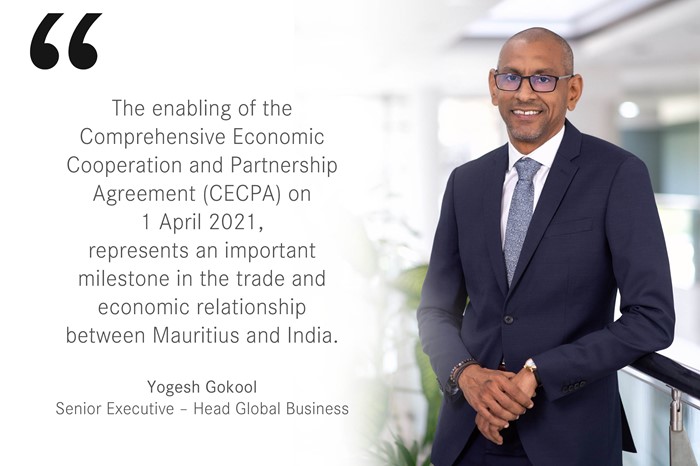
More activities expected between India and Africa via Mauritius
Expert views
August 11, 2021
More activities expected between India and Africa via Mauritius
-
 Expert views
August 04, 2021
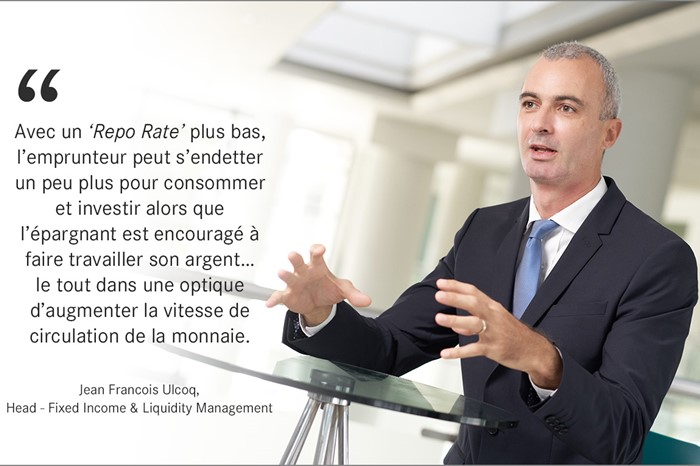
Repo Rate à 1.85% - Maintenir la tendance baissière des 5 dernières années ou pas ?
Expert views
August 04, 2021
Repo Rate à 1.85% - Maintenir la tendance baissière des 5 dernières années ou pas ?
-
 Expert views
August 01, 2021
What is a Structured Product?
Expert views
August 01, 2021
What is a Structured Product?
-
 Expert views
July 14, 2021
Global Battery Market powered by Automotive Electrification - Structured Product
Expert views
July 14, 2021
Global Battery Market powered by Automotive Electrification - Structured Product
-
 Expert views
July 13, 2021
Deepening our Expertise to serve you better
Expert views
July 13, 2021
Deepening our Expertise to serve you better
-
 Expert views
July 12, 2021
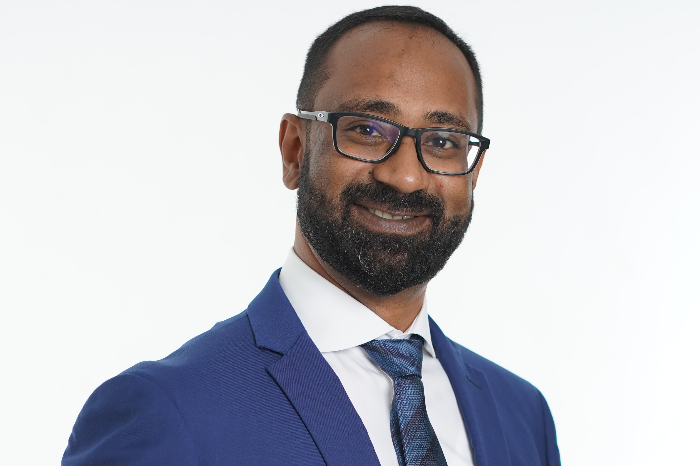
Meet our new Head of Sustainability and CSR, Alvin Peerthy
Expert views
July 12, 2021
Meet our new Head of Sustainability and CSR, Alvin Peerthy
-
 Expert views
July 05, 2021
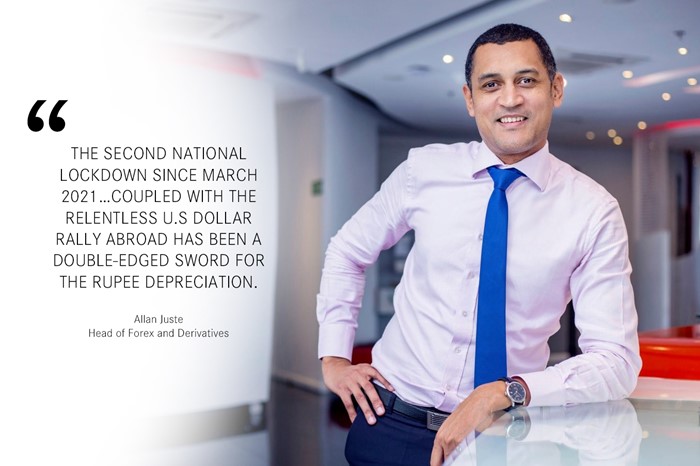
The Mauritian Rupee faces the COVID-19 brunt
Expert views
July 05, 2021
The Mauritian Rupee faces the COVID-19 brunt
-
 Events & Webinar
June 30, 2021
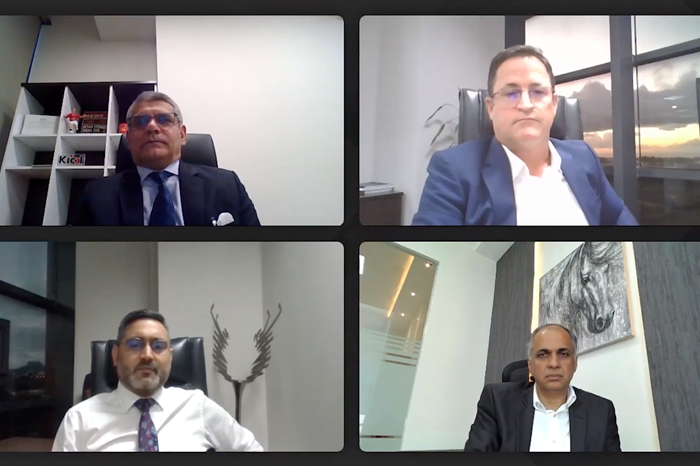
#Webinar Replay: Cross-border opportunities and challenges in Africa
Events & Webinar
June 30, 2021
#Webinar Replay: Cross-border opportunities and challenges in Africa
-
 Events & Webinar
June 14, 2021
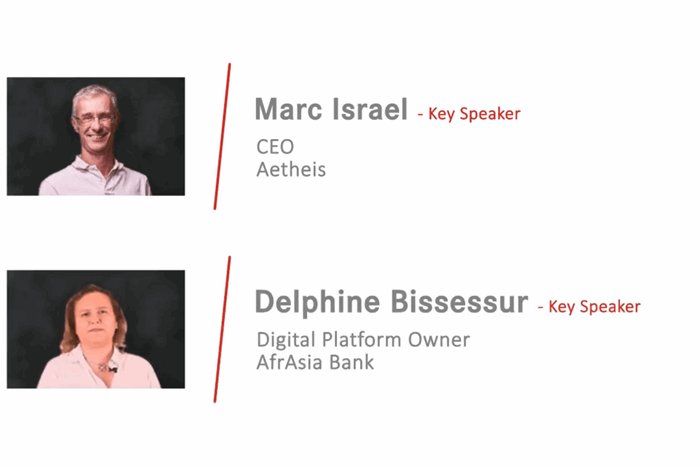
20 Min with AfrAsia Webinar - Digital Transformation to build a Sustainable Business
Events & Webinar
June 14, 2021
20 Min with AfrAsia Webinar - Digital Transformation to build a Sustainable Business
-
 Expert views
June 09, 2021
Millionaires in Africa: an attractive market for Mauritius
Expert views
June 09, 2021
Millionaires in Africa: an attractive market for Mauritius
-
 Expert views
June 07, 2021
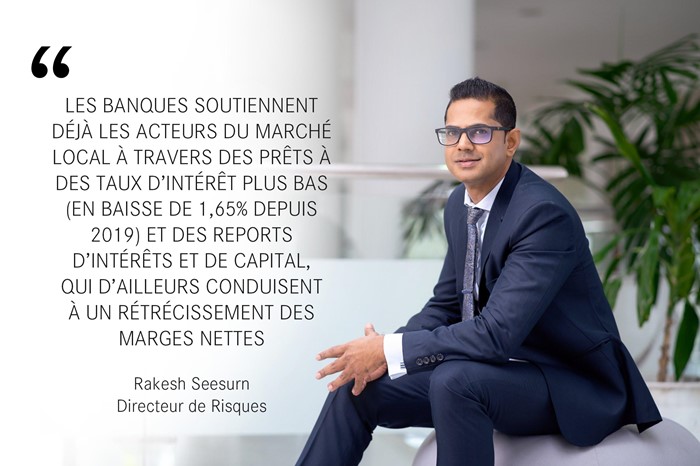
La charge est-elle équitablement partagée entre l’Étate et le privé?
Expert views
June 07, 2021
La charge est-elle équitablement partagée entre l’Étate et le privé?
-
 Expert views
May 26, 2021
The revival of the UK-Mauritius trade together with the tourism sector could generate more revenue and appreciate the Mauritian rupee
Expert views
May 26, 2021
The revival of the UK-Mauritius trade together with the tourism sector could generate more revenue and appreciate the Mauritian rupee
-
 Expert views
May 21, 2021
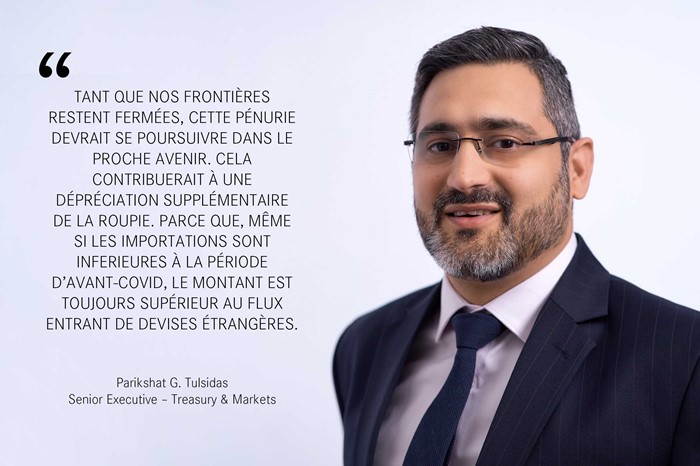
Tant que nos frontières restent fermées, cette pénurie devrait se poursuivre dans le proche avenir.
Expert views
May 21, 2021
Tant que nos frontières restent fermées, cette pénurie devrait se poursuivre dans le proche avenir.
-
 Events & Webinar
May 21, 2021
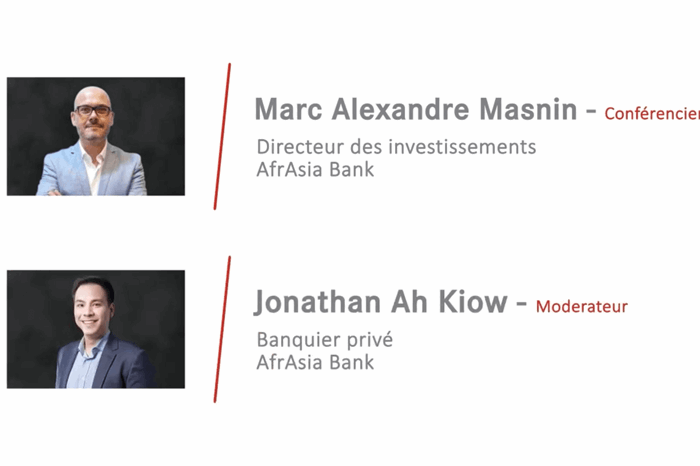
Retour sur notre #webinaire : Gestion de patrimoine - Post COVID
Events & Webinar
May 21, 2021
Retour sur notre #webinaire : Gestion de patrimoine - Post COVID
-
 Expert views
May 19, 2021
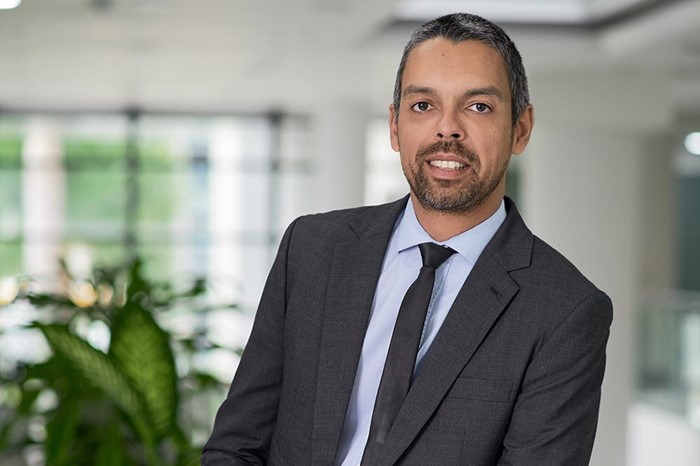
Local customers represent 70% of these assets.
Expert views
May 19, 2021
Local customers represent 70% of these assets.
-
 Expert views
May 13, 2021
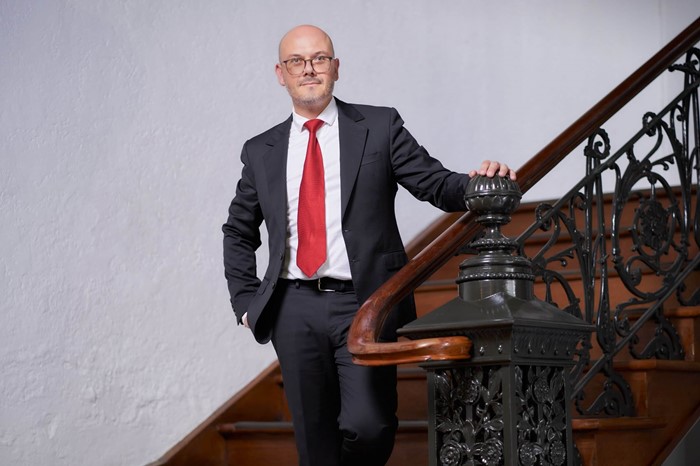
Global vaccination campaign, Inflation and Financial Assets – let’s talk!
Expert views
May 13, 2021
Global vaccination campaign, Inflation and Financial Assets – let’s talk!
-
 Expert views
May 12, 2021
Automotive Electrification and the Global Battery Market – are Nickel, Copper and Aluminium your next investment opportunity?
Expert views
May 12, 2021
Automotive Electrification and the Global Battery Market – are Nickel, Copper and Aluminium your next investment opportunity?
-
 Expert views
May 11, 2021
Cybersecurity Awakening
Expert views
May 11, 2021
Cybersecurity Awakening
-
 Events & Webinar
April 07, 2021
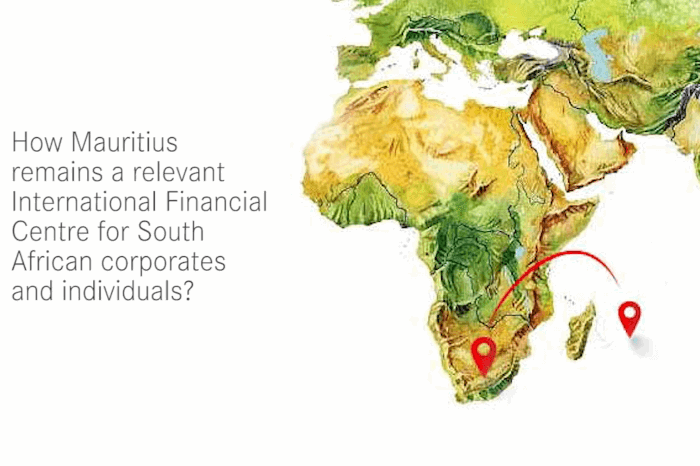
How Mauritius remains a relevant IFC for South African Corporates & Individuals?
Events & Webinar
April 07, 2021
How Mauritius remains a relevant IFC for South African Corporates & Individuals?
-
 Expert views
March 24, 2021
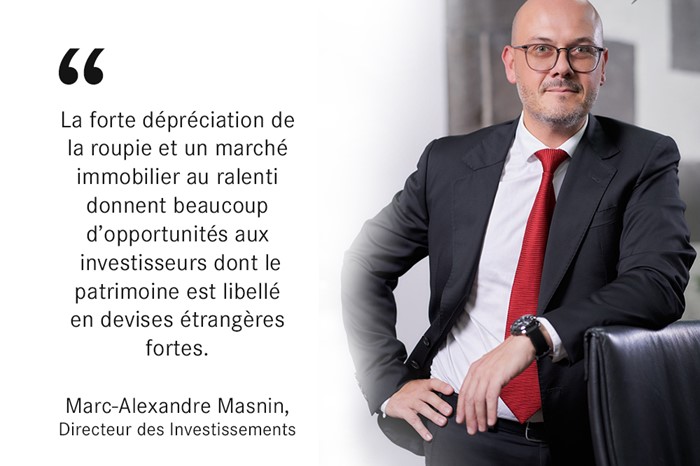
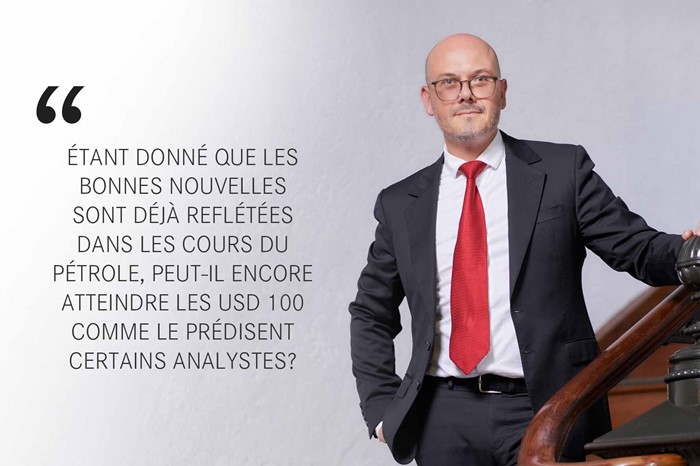
Marc-Alexandre Masnin, Directeur des investissements - Business Magazine
Expert views
March 24, 2021
Marc-Alexandre Masnin, Directeur des investissements - Business Magazine
-
 Expert views
March 24, 2021
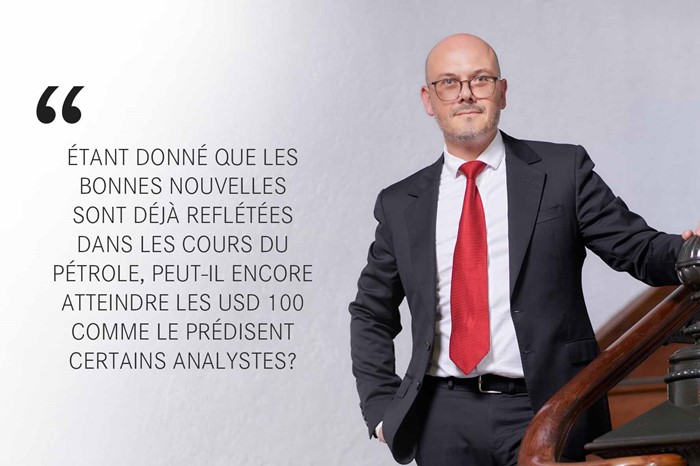
At the height of the crisis last year, the price of the oil barrel turned negative. However, it hovers today above 60 dollars. Is this a show of confidence in a faster economic recovery?
Expert views
March 24, 2021
At the height of the crisis last year, the price of the oil barrel turned negative. However, it hovers today above 60 dollars. Is this a show of confidence in a faster economic recovery?
-
 Community
March 18, 2021
#InternationalWomensDay: Do you Choose to Challenge?
Community
March 18, 2021
#InternationalWomensDay: Do you Choose to Challenge?
-
 Expert views
March 17, 2021
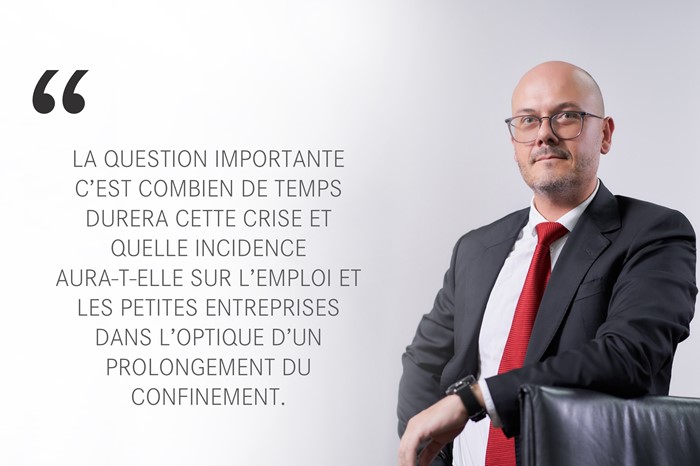
L’économie mauricienne peut-elle survivre à un deuxième confinement ?
Expert views
March 17, 2021
L’économie mauricienne peut-elle survivre à un deuxième confinement ?
-
 Community
March 08, 2021
#InternationalWomensDay: Do you Choose to Challenge?
Community
March 08, 2021
#InternationalWomensDay: Do you Choose to Challenge?
-
 The Believers in Local
February 16, 2021
#AfrAsiaBankLocalMarket – Chinese New Year & Valentine’s Day
The Believers in Local
February 16, 2021
#AfrAsiaBankLocalMarket – Chinese New Year & Valentine’s Day
-
 Expert views
February 11, 2021
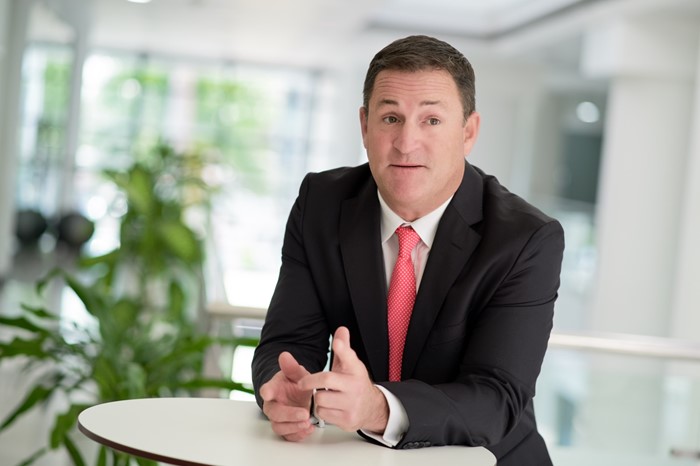
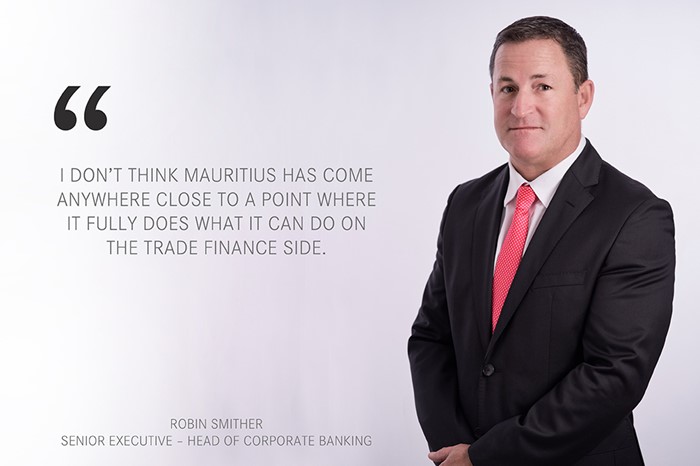
Interview with Robin Smither, Senior Executive, Head of Corporate Banking, AfrAsia Bank
Expert views
February 11, 2021
Interview with Robin Smither, Senior Executive, Head of Corporate Banking, AfrAsia Bank
-
 Expert views
February 03, 2021
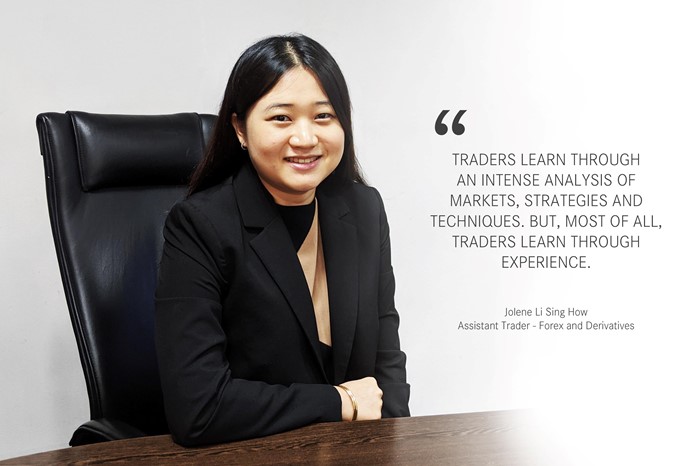
Jolene Li Sing How, one of the very first Certified Elliott Wave Analysts
Expert views
February 03, 2021
Jolene Li Sing How, one of the very first Certified Elliott Wave Analysts
-
 Expert views
January 20, 2021
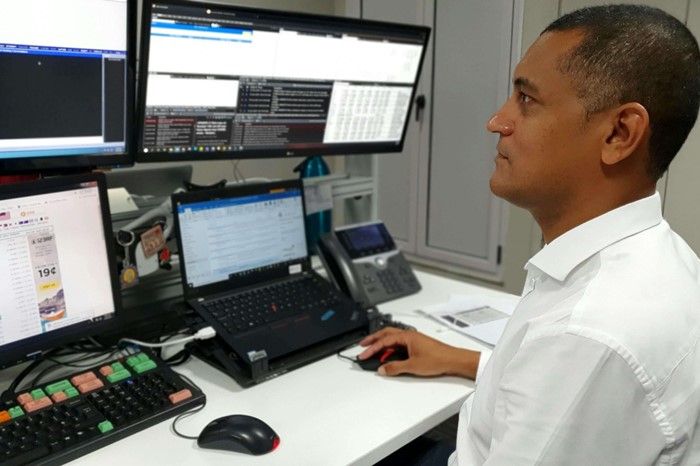
AfrAsia was awarded two distinctions by Elliott Wave International.
Expert views
January 20, 2021
AfrAsia was awarded two distinctions by Elliott Wave International.
-
 The Believers in Local
December 23, 2020
The believers in local - Christmas Market
The Believers in Local
December 23, 2020
The believers in local - Christmas Market
-
 Expert views
December 16, 2020
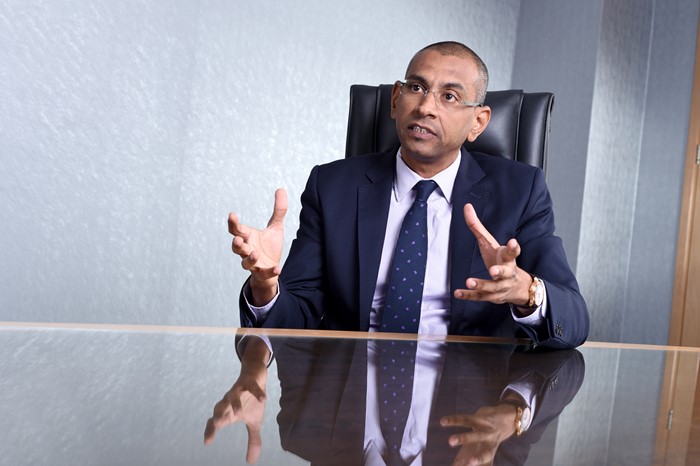
Mauritius on the EU Black List, what impact since October 1st, 2020?
Expert views
December 16, 2020
Mauritius on the EU Black List, what impact since October 1st, 2020?
-
 Expert views
December 14, 2020
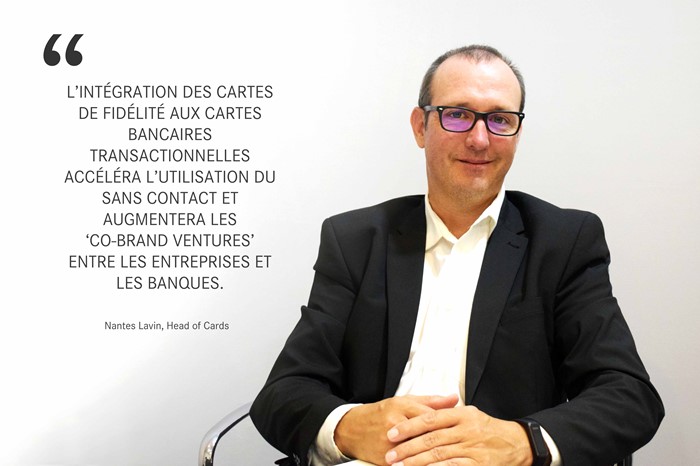
Marché des cartes – la dématérialisation enclenchée
Expert views
December 14, 2020
Marché des cartes – la dématérialisation enclenchée
-
 Events & Webinar
December 09, 2020
How does Mauritius remain a relevant International Financial Centre for South African corporates and individuals?
Events & Webinar
December 09, 2020
How does Mauritius remain a relevant International Financial Centre for South African corporates and individuals?
-
 Expert views
November 18, 2020
«Face aux incertitudes actuelles, privilégier une approche core-satellite»
Expert views
November 18, 2020
«Face aux incertitudes actuelles, privilégier une approche core-satellite»
-
 Expert views
November 18, 2020
Nantes Lavin interview on Business Mag
Expert views
November 18, 2020
Nantes Lavin interview on Business Mag
-
 Expert views
October 29, 2020
ESG and Responsible Investments – Breaking through to shape a Sustainable World
Expert views
October 29, 2020
ESG and Responsible Investments – Breaking through to shape a Sustainable World
-
 Expert views
October 28, 2020
Is Biden winning the forthcoming US Presidential Elections?
Expert views
October 28, 2020
Is Biden winning the forthcoming US Presidential Elections?
-
 Expert views
October 27, 2020
Global Wealth Migration Review 2020
Expert views
October 27, 2020
Global Wealth Migration Review 2020
-
 Differentiate. Inspire. Celebrate
October 26, 2020
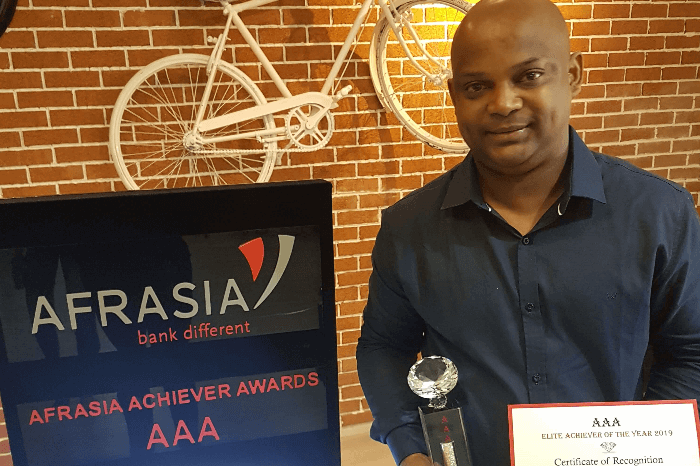
Meet David Chamtyoo, our Elite Achiever of the Year 2019
Differentiate. Inspire. Celebrate
October 26, 2020
Meet David Chamtyoo, our Elite Achiever of the Year 2019
-
 The Believers in Local
October 26, 2020
Our very first Local Market
The Believers in Local
October 26, 2020
Our very first Local Market
-
 Expert views
October 21, 2020
The best international managers have lost money"
Expert views
October 21, 2020
The best international managers have lost money"
-
 Expert views
October 14, 2020
Étant à ce jour «Covid-free», l’île Maurice jouit-elle d’un écosystème robuste pour assurer la protection de vos actifs?
Expert views
October 14, 2020
Étant à ce jour «Covid-free», l’île Maurice jouit-elle d’un écosystème robuste pour assurer la protection de vos actifs?
-
 Events & Webinar
October 07, 2020
20 min with AfrAsia - Environment, Social & Governance (ESG) and Responsible Investments
Events & Webinar
October 07, 2020
20 min with AfrAsia - Environment, Social & Governance (ESG) and Responsible Investments
-
 Expert views
September 30, 2020
The inclusion of Mauritius on the European Union's blacklist is a considerable hindrance to the image of our international financial center.
Expert views
September 30, 2020
The inclusion of Mauritius on the European Union's blacklist is a considerable hindrance to the image of our international financial center.
-
 Events & Webinar
September 24, 2020
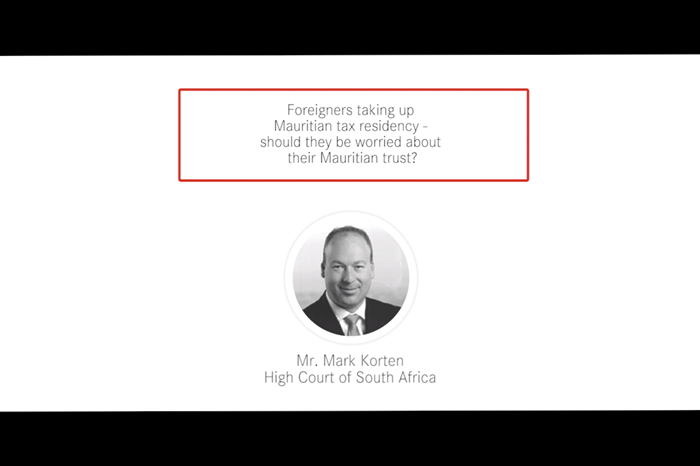
Webinar : Foreigners taking up Mauritian Tax Residency – Should they be worried about their Mauritian Trust?
Events & Webinar
September 24, 2020
Webinar : Foreigners taking up Mauritian Tax Residency – Should they be worried about their Mauritian Trust?
-
 Expert views
September 21, 2020
Luvna Arnassalon-Seerungen: “Covid-19 has further put sustainability under the corporate spotlight”
Expert views
September 21, 2020
Luvna Arnassalon-Seerungen: “Covid-19 has further put sustainability under the corporate spotlight”
-
 Expert views
September 17, 2020
Boosting Mauritius’ reputation as a key enabler of trade
Expert views
September 17, 2020
Boosting Mauritius’ reputation as a key enabler of trade
-
 Business & Innovation
September 10, 2020
AfrAsia Customer Survey 2020
Business & Innovation
September 10, 2020
AfrAsia Customer Survey 2020
-
 Expert views
September 08, 2020
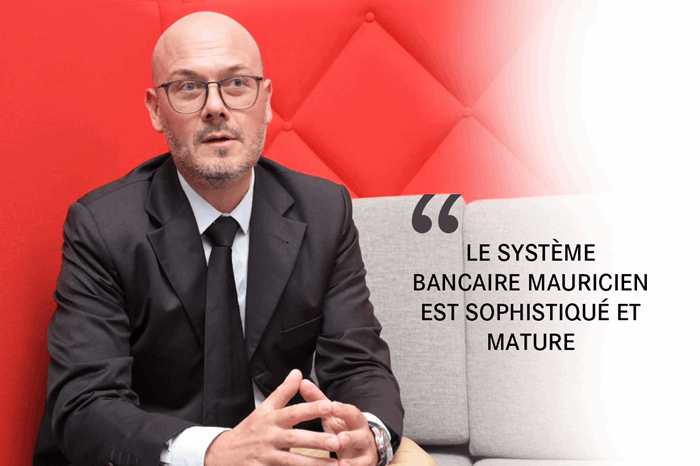
Le Défi Quotidien : Marc-Alexandre Masnin, Head of Wealth Management- International / Investment Sales, AfrAsia Bank
Expert views
September 08, 2020
Le Défi Quotidien : Marc-Alexandre Masnin, Head of Wealth Management- International / Investment Sales, AfrAsia Bank
-
 The Believers in Local
August 21, 2020
Believers in the passion of our entrepreneurs
The Believers in Local
August 21, 2020
Believers in the passion of our entrepreneurs
-
 Expert views
August 19, 2020
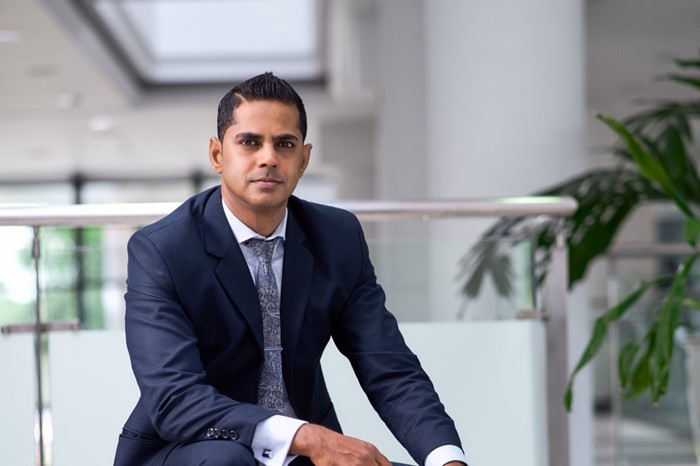
Rakesh Seesurn, Head of Risk in Business Mag
Expert views
August 19, 2020
Rakesh Seesurn, Head of Risk in Business Mag
-
 Expert views
August 18, 2020
Mauritius remains the best gateway for cross-border investments into Africa.
Expert views
August 18, 2020
Mauritius remains the best gateway for cross-border investments into Africa.
-
 Events & Webinar
July 27, 2020
20 min with AfrAsia - Mauritius: More than just a property investment.
Events & Webinar
July 27, 2020
20 min with AfrAsia - Mauritius: More than just a property investment.
-
 Expert views
July 01, 2020
Impacts of COVID-19 on South African Economy
Expert views
July 01, 2020
Impacts of COVID-19 on South African Economy
-
 Expert views
July 01, 2020
Blue economy aims at generating multiple cash-flows from a portfolio of local opportunities
Expert views
July 01, 2020
Blue economy aims at generating multiple cash-flows from a portfolio of local opportunities
-
 Community
July 01, 2020
Education remains key to success, even in a different normal
Community
July 01, 2020
Education remains key to success, even in a different normal
-
 Expert views
June 29, 2020
EU blacklist: highly prejudicial to the economy
Expert views
June 29, 2020
EU blacklist: highly prejudicial to the economy
-
 The Believers in Local
June 22, 2020
Believers in the authenticity of our talents
The Believers in Local
June 22, 2020
Believers in the authenticity of our talents
-
 Expert views
June 08, 2020
As businesses undergo digital transformations in their front and back office operations, similarly cybercriminals are advancing the sophistication of their methods.
Expert views
June 08, 2020
As businesses undergo digital transformations in their front and back office operations, similarly cybercriminals are advancing the sophistication of their methods.
-
 Expert views
June 06, 2020
The difference in taxation of foreign residents and Mauritian residents in the case of the Solidarity Levy is a first for the country
Expert views
June 06, 2020
The difference in taxation of foreign residents and Mauritian residents in the case of the Solidarity Levy is a first for the country
-
 Community
June 01, 2020
Happy Mothers’ and Fathers’ Day!
Community
June 01, 2020
Happy Mothers’ and Fathers’ Day!
-
 Expert views
May 21, 2020
Managing credit risks diligently
Expert views
May 21, 2020
Managing credit risks diligently
-
 Expert views
May 21, 2020
In our opinion, the most impacted sector of the economy at this stage is the hospitality and tourism industry.
Expert views
May 21, 2020
In our opinion, the most impacted sector of the economy at this stage is the hospitality and tourism industry.
-
 Expert views
May 20, 2020
A coordinated response to the impact of the crisis.
Expert views
May 20, 2020
A coordinated response to the impact of the crisis.
-
 Expert views
May 08, 2020
COVID-19 - Operational Challenges v/s Technological Opportunities
Expert views
May 08, 2020
COVID-19 - Operational Challenges v/s Technological Opportunities
-
 Expert views
May 07, 2020
“Converting the central bank into a magical money tree could lead to a significant currency devaluation”
Expert views
May 07, 2020
“Converting the central bank into a magical money tree could lead to a significant currency devaluation”
-
 Expert views
May 06, 2020
“Banks will need to review their internal audit system”
Expert views
May 06, 2020
“Banks will need to review their internal audit system”
-
 Expert views
April 27, 2020
Mastering market volatility is a key determinant for investors.
Expert views
April 27, 2020
Mastering market volatility is a key determinant for investors.
-
 Expert views
April 22, 2020
Banks have a key role to play in economic recovery
Expert views
April 22, 2020
Banks have a key role to play in economic recovery
-
 Expert views
April 20, 2020
Mauritius potentially benefits from a strategic advantage regionally in stimulating a relatively early economic recovery.
Expert views
April 20, 2020
Mauritius potentially benefits from a strategic advantage regionally in stimulating a relatively early economic recovery.
-
 Expert views
April 17, 2020
Impact of COVID-19 on Mauritian Economy
Expert views
April 17, 2020
Impact of COVID-19 on Mauritian Economy
-
 Expert views
March 13, 2020
Weekly Market Update as at 13 March 2020
Expert views
March 13, 2020
Weekly Market Update as at 13 March 2020
-
 Expert views
March 09, 2020
“Gender equality creates the conditions to boost economic development and contributes to economic development”
Expert views
March 09, 2020
“Gender equality creates the conditions to boost economic development and contributes to economic development”
-
 Expert views
February 12, 2020
“Brexit and coronavirus will necessarily have an impact on major currencies”
Expert views
February 12, 2020
“Brexit and coronavirus will necessarily have an impact on major currencies”
-
 Business & Innovation
February 04, 2020
AfrAsia Bank wins for the third year in a row the Best Bank in Mauritius award
Business & Innovation
February 04, 2020
AfrAsia Bank wins for the third year in a row the Best Bank in Mauritius award
-
 Expert views
January 17, 2020
"The contribution of the banking industry and its growth in the financial services sector has been phenomenal"
Expert views
January 17, 2020
"The contribution of the banking industry and its growth in the financial services sector has been phenomenal"
-
 Differentiate. Inspire. Celebrate
January 07, 2020
AfrAsia Achiever Awards (AAA)
Differentiate. Inspire. Celebrate
January 07, 2020
AfrAsia Achiever Awards (AAA)
-
 Golf
December 08, 2019
Danish teenager wins AfrAsia Bank Mauritius Open in playoff
Golf
December 08, 2019
Danish teenager wins AfrAsia Bank Mauritius Open in playoff
-
 Golf
December 08, 2019
18-year-old claims dream win at AfrAsia Bank Mauritius Open in a playoff
Golf
December 08, 2019
18-year-old claims dream win at AfrAsia Bank Mauritius Open in a playoff
-
 Golf
December 07, 2019
Rozner leads French charge in AfrAsia Bank Mauritius Open
Golf
December 07, 2019
Rozner leads French charge in AfrAsia Bank Mauritius Open
-
 Golf
December 06, 2019
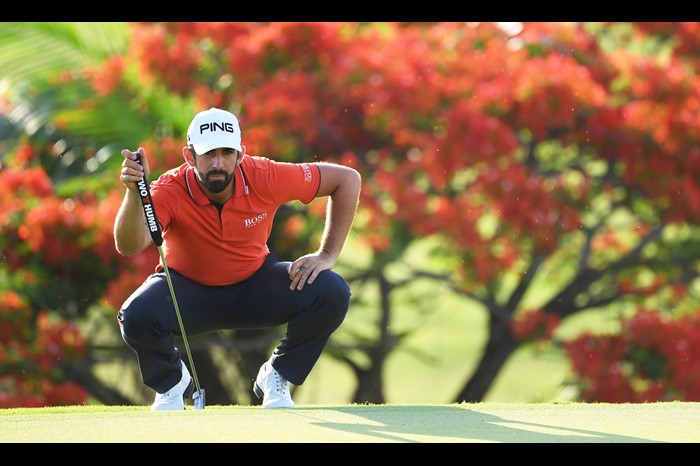
French golfers poised for historic win in AfrAsia Bank Mauritius Open
Golf
December 06, 2019
French golfers poised for historic win in AfrAsia Bank Mauritius Open
-
 Golf
December 05, 2019
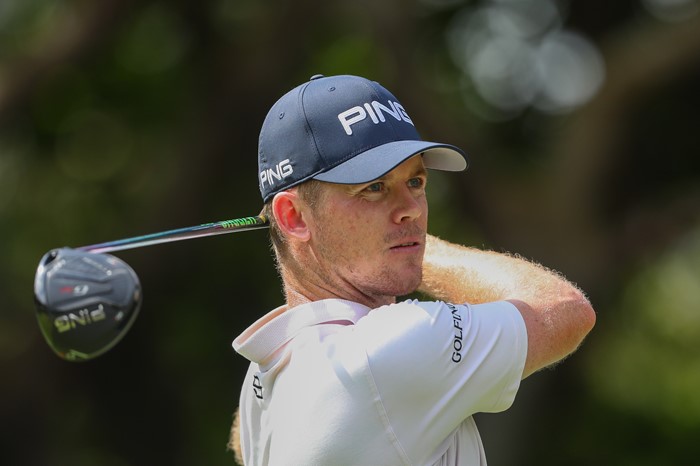
Relaxed Stone shares lead in AfrAsia Bank Mauritius Open
Golf
December 05, 2019
Relaxed Stone shares lead in AfrAsia Bank Mauritius Open
-
 Golf
December 03, 2019
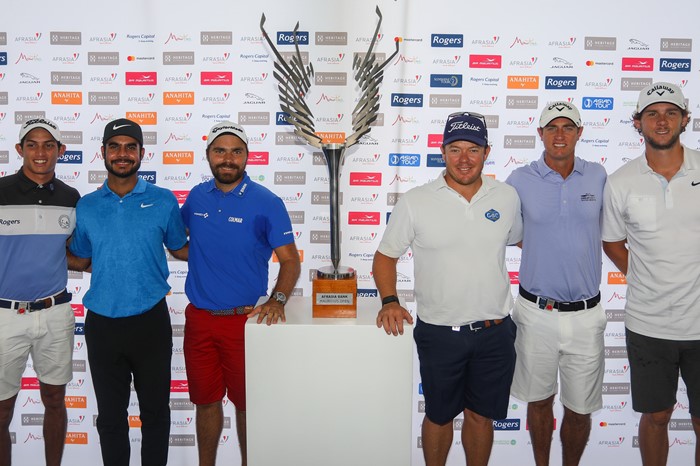
‘The most beautiful week in golf’ has top players talking
Golf
December 03, 2019
‘The most beautiful week in golf’ has top players talking
-
 Testimonials
December 01, 2019
“With the world “slowing down” other jurisdictions are trying hard to challenge us.”
Testimonials
December 01, 2019
“With the world “slowing down” other jurisdictions are trying hard to challenge us.”
-
 Business & Innovation
November 30, 2019
''Firms offering wealth services need to continue enhancing the client experience''
Business & Innovation
November 30, 2019
''Firms offering wealth services need to continue enhancing the client experience''
-
 Testimonials
November 30, 2019
“We are treated not as customers but as partners”
Testimonials
November 30, 2019
“We are treated not as customers but as partners”
-
 Golf
November 25, 2019
Coetzee, Harding, Stone join AfrAsia Bank Mauritius Open field
Golf
November 25, 2019
Coetzee, Harding, Stone join AfrAsia Bank Mauritius Open field
-
 Business & Innovation
October 31, 2019
AfrAsia Bank bags two more prestigious international awards
Business & Innovation
October 31, 2019
AfrAsia Bank bags two more prestigious international awards
-
 Testimonials
September 30, 2019
“This is really a different Bank where the customer’s well-being matters.”
Testimonials
September 30, 2019
“This is really a different Bank where the customer’s well-being matters.”
-
 Testimonials
September 29, 2019
Differentiate. Inspire. Celebrate.
Testimonials
September 29, 2019
Differentiate. Inspire. Celebrate.
-
 Expert views
September 28, 2019
"Throughout its history, Mauritius has always been able to re-invent itself in times of hardship."
Expert views
September 28, 2019
"Throughout its history, Mauritius has always been able to re-invent itself in times of hardship."
-
 Expert views
September 20, 2019
"Africa is the hinterland for the Mauritian financial services space"
Expert views
September 20, 2019
"Africa is the hinterland for the Mauritian financial services space"
-
 Expert views
June 14, 2019
What’s next for Private Wealth?
Expert views
June 14, 2019
What’s next for Private Wealth?
-
 Expert views
May 03, 2019
“Internal audit teams should be in a position to express their views at any stage”
Expert views
May 03, 2019
“Internal audit teams should be in a position to express their views at any stage”
-
 Expert views
April 24, 2019
"We provide connectivity to HNW South Africans investing offshore"
Expert views
April 24, 2019
"We provide connectivity to HNW South Africans investing offshore"
-
 Expert views
April 23, 2019
Thierry Vallet, General Manager, speaks with Mauritius Golf Tours in an exclusive interview
Expert views
April 23, 2019
Thierry Vallet, General Manager, speaks with Mauritius Golf Tours in an exclusive interview
-
 Business & Innovation
April 02, 2019
AfrAsia Bank recognised as a pioneer in the Digital HR Space by Oracle
Business & Innovation
April 02, 2019
AfrAsia Bank recognised as a pioneer in the Digital HR Space by Oracle
-
 Expert views
March 15, 2019
There is clear visibility towards meaningful growth.
Expert views
March 15, 2019
There is clear visibility towards meaningful growth.
-
 Testimonials
March 07, 2019
DIFFERENTIATE. INSPIRE. CELEBRATE by Weekly
Testimonials
March 07, 2019
DIFFERENTIATE. INSPIRE. CELEBRATE by Weekly
-
 Testimonials
March 06, 2019
DIFFERENTIATE. INSPIRE. CELEBRATE
Testimonials
March 06, 2019
DIFFERENTIATE. INSPIRE. CELEBRATE
-
 Expert views
January 22, 2019
Africa will play a major role in the commercial use of financial technology.
Expert views
January 22, 2019
Africa will play a major role in the commercial use of financial technology.
-
 Testimonials
December 13, 2018
Differentiate. Inspire. Celebrate - Weekly
Testimonials
December 13, 2018
Differentiate. Inspire. Celebrate - Weekly
-
 Testimonials
December 12, 2018
Differentiate. Inspire. Celebrate - Business Magazine
Testimonials
December 12, 2018
Differentiate. Inspire. Celebrate - Business Magazine
-
 Business & Innovation
December 07, 2018
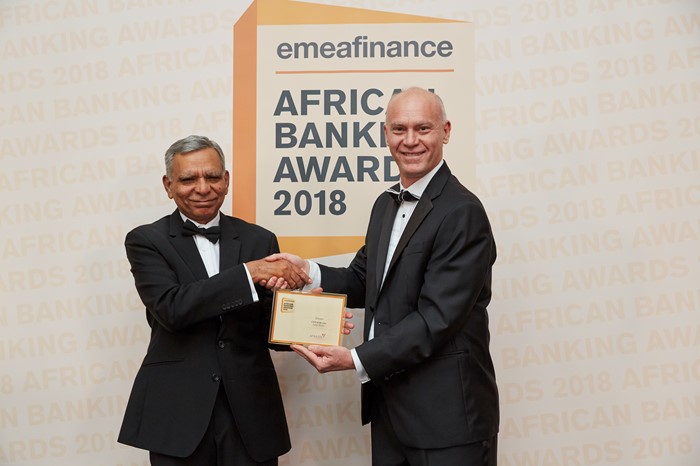
AfrAsia Bank wins 4 awards at the EMEA Finance’s African Banking Awards 2018
Business & Innovation
December 07, 2018
AfrAsia Bank wins 4 awards at the EMEA Finance’s African Banking Awards 2018
-
 Golf
December 05, 2018
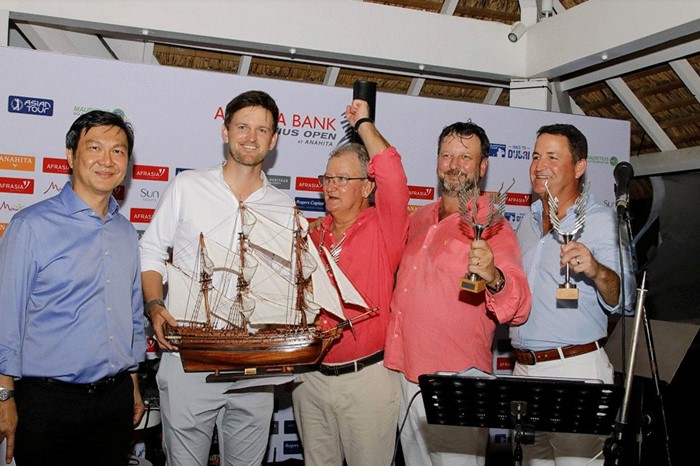
AfrAsia Bank Mastercard Pro-Am Results
Golf
December 05, 2018
AfrAsia Bank Mastercard Pro-Am Results
-
 Golf
December 02, 2018
Kurt kicks on with breakthrough win in AfrAsia Bank Mauritius Open
Golf
December 02, 2018
Kurt kicks on with breakthrough win in AfrAsia Bank Mauritius Open
-
 Golf
December 01, 2018
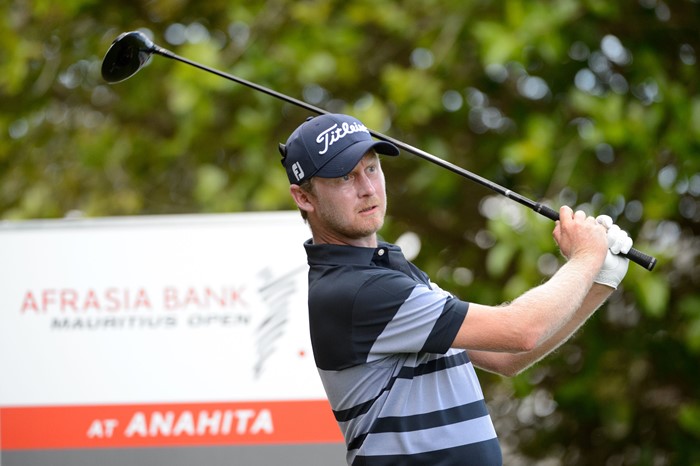
SA's Harding chasing win number five in Mauritius
Golf
December 01, 2018
SA's Harding chasing win number five in Mauritius
-
 Golf
November 29, 2018
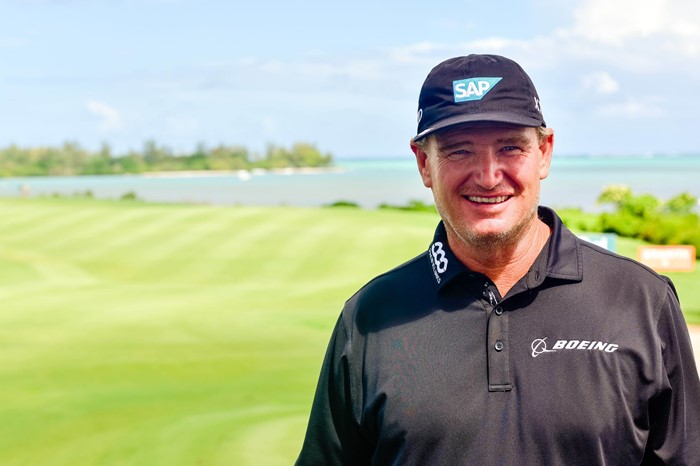
Els hoping local knowledge gives him the edge in Mauritius
Golf
November 29, 2018
Els hoping local knowledge gives him the edge in Mauritius
-
 Testimonials
October 18, 2018
Differentiate. Inspire. Celebrate - Weekly
Testimonials
October 18, 2018
Differentiate. Inspire. Celebrate - Weekly
-
 Testimonials
October 17, 2018
Differentiate. Inspire. Celebrate - Business Magazine
Testimonials
October 17, 2018
Differentiate. Inspire. Celebrate - Business Magazine
-
 Expert views
October 10, 2018
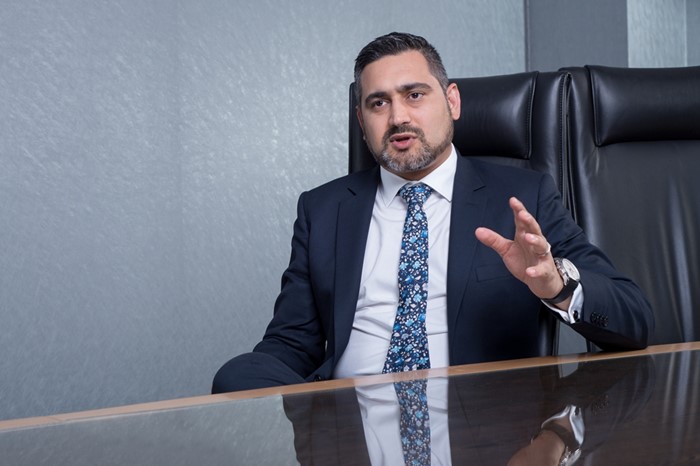
“An ageing population is also synonymous to declining growth”
Expert views
October 10, 2018
“An ageing population is also synonymous to declining growth”
-
 Expert views
September 28, 2018
Weekly Market Update as at 28 September 2018
Expert views
September 28, 2018
Weekly Market Update as at 28 September 2018
-
 Expert views
September 26, 2018
Sustainability development is an essential condition to become a high-income country
Expert views
September 26, 2018
Sustainability development is an essential condition to become a high-income country
-
 Expert views
September 21, 2018
Weekly Market Update as at 21 September 2018
Expert views
September 21, 2018
Weekly Market Update as at 21 September 2018
-
 Expert views
September 07, 2018
Weekly Market Update as at 07 September 2018
Expert views
September 07, 2018
Weekly Market Update as at 07 September 2018
-
 Expert views
August 31, 2018
Weekly Market Update as at 08 February 2019
Expert views
August 31, 2018
Weekly Market Update as at 08 February 2019
-
 Expert views
August 31, 2018
Weekly Market Update as at 31 August 2018
Expert views
August 31, 2018
Weekly Market Update as at 31 August 2018
-
 Expert views
August 24, 2018
Weekly Market Update as at 24 August 2018
Expert views
August 24, 2018
Weekly Market Update as at 24 August 2018
-
 Expert views
August 17, 2018
Weekly Market Update as at 17 August 2018
Expert views
August 17, 2018
Weekly Market Update as at 17 August 2018
-
 Expert views
August 03, 2018
Weekly Market Update as at 03 August 2018
Expert views
August 03, 2018
Weekly Market Update as at 03 August 2018
-
 Expert views
July 27, 2018
Weekly Market Update as at 27 July 2018
Expert views
July 27, 2018
Weekly Market Update as at 27 July 2018
-
 Golf
July 21, 2018
Gary Todd bags Pro-Am ticket to the AfrAsia Bank Mauritius Open 2018.
Golf
July 21, 2018
Gary Todd bags Pro-Am ticket to the AfrAsia Bank Mauritius Open 2018.
-
 Expert views
July 17, 2018
Sanjiv Bhasin on Global Business sector: “A new market will open up”
Expert views
July 17, 2018
Sanjiv Bhasin on Global Business sector: “A new market will open up”
-
 Expert views
July 06, 2018
Weekly Market Update as at 06 July 2018
Expert views
July 06, 2018
Weekly Market Update as at 06 July 2018
-
 Golf
June 30, 2018
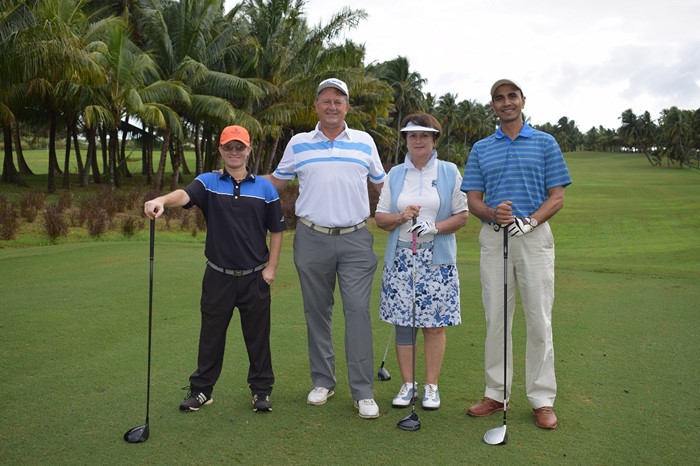
A spectacular kick-off round for a Pro-Am ticket at the AfrAsia Bank Mauritius Open 2018 at Anahita
Golf
June 30, 2018
A spectacular kick-off round for a Pro-Am ticket at the AfrAsia Bank Mauritius Open 2018 at Anahita
-
 Expert views
June 29, 2018
Weekly Market Update as at 29 June 2018
Expert views
June 29, 2018
Weekly Market Update as at 29 June 2018
-
 Expert views
June 22, 2018
Weekly Market Update on Radio One as at 22 June 2018
Expert views
June 22, 2018
Weekly Market Update on Radio One as at 22 June 2018
-
 Expert views
June 13, 2018
"Mauritius is considered as one of the most stable countries in Africa"
Expert views
June 13, 2018
"Mauritius is considered as one of the most stable countries in Africa"
-
 Expert views
June 12, 2018
Rethinking private banking
Expert views
June 12, 2018
Rethinking private banking
-
 Golf
June 04, 2018
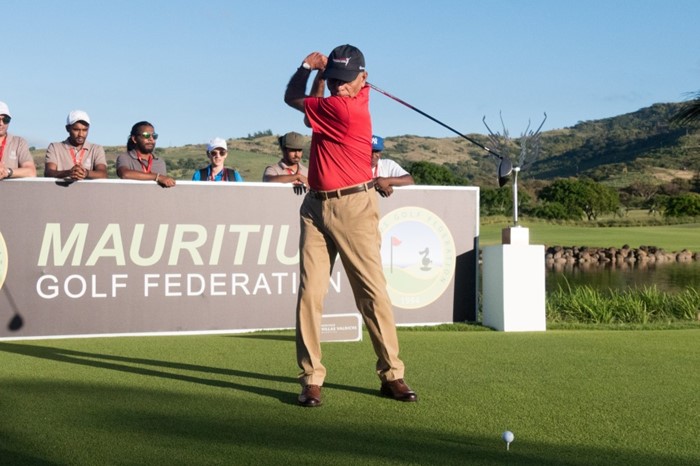
Sanjiv Bhasin, CEO, speaks with Mauritius Golf Tours in an exclusive interview
Golf
June 04, 2018
Sanjiv Bhasin, CEO, speaks with Mauritius Golf Tours in an exclusive interview
-
 Business & Innovation
May 17, 2018
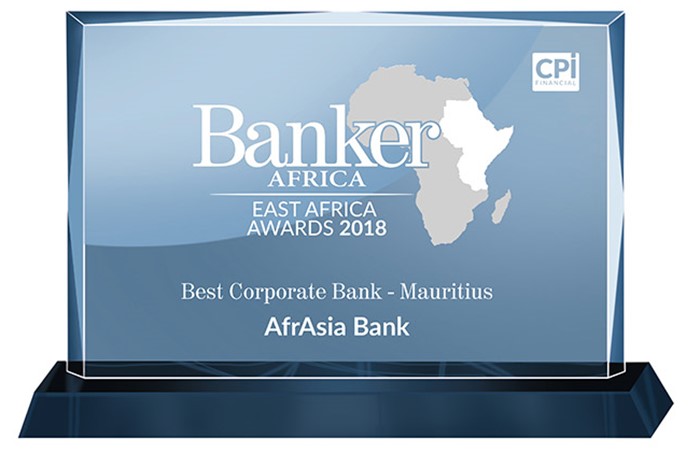
AfrAsia wins the Best Corporate Bank 2018 award for the second year in a row
Business & Innovation
May 17, 2018
AfrAsia wins the Best Corporate Bank 2018 award for the second year in a row
-
 Expert views
May 15, 2018
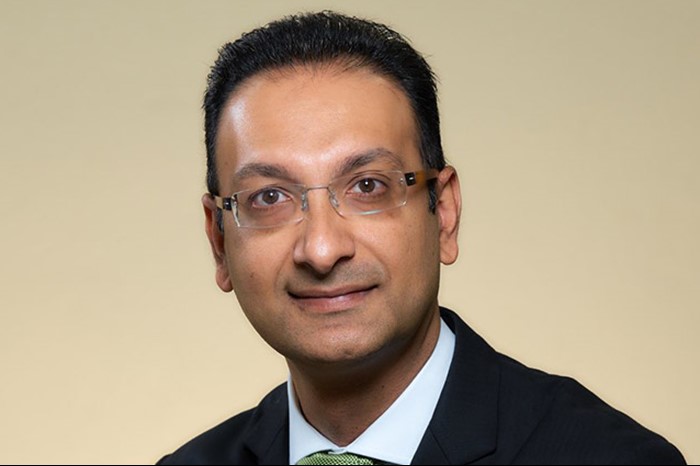
'Mauritius has the benefit of being in Africa without being in mainland', says Assad Abdullatiff
Expert views
May 15, 2018
'Mauritius has the benefit of being in Africa without being in mainland', says Assad Abdullatiff
-
 Expert views
May 15, 2018
IFRS9 - What you need to know by Robin Smither
Expert views
May 15, 2018
IFRS9 - What you need to know by Robin Smither
-
 Business & Innovation
May 15, 2018
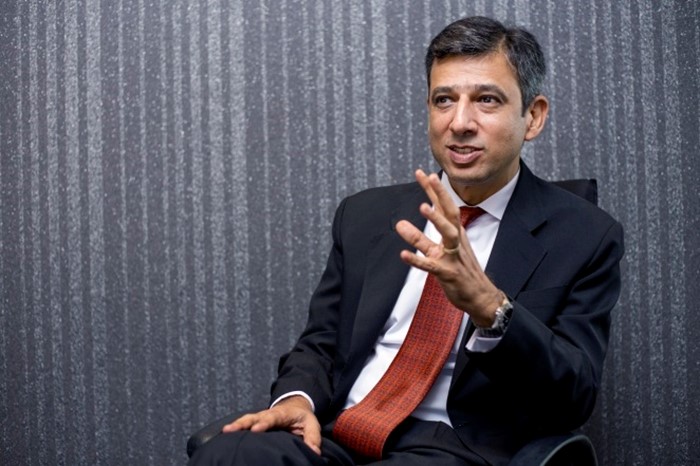
Banking on customer centricity
Business & Innovation
May 15, 2018
Banking on customer centricity
-
 Community
May 15, 2018
Supporting the communities where we live and work
Community
May 15, 2018
Supporting the communities where we live and work
-
 Events & Webinar
May 15, 2018
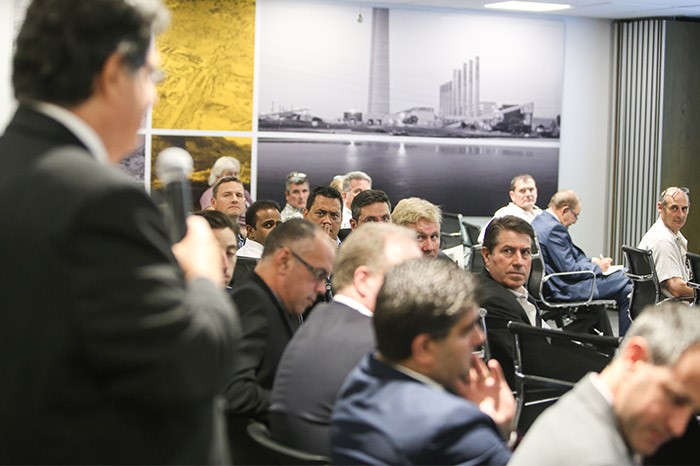
AfrAsia Bank Roadshow: Johannesburg business elites under one roof
Events & Webinar
May 15, 2018
AfrAsia Bank Roadshow: Johannesburg business elites under one roof
-
 Events & Webinar
May 15, 2018
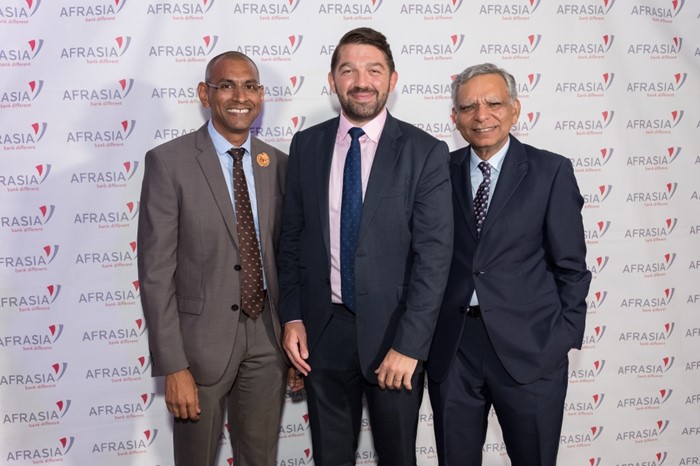
AfrAsia Bank Real Estate Seminar: The property investment hotspots revealed
Events & Webinar
May 15, 2018
AfrAsia Bank Real Estate Seminar: The property investment hotspots revealed
-
 Events & Webinar
May 14, 2018
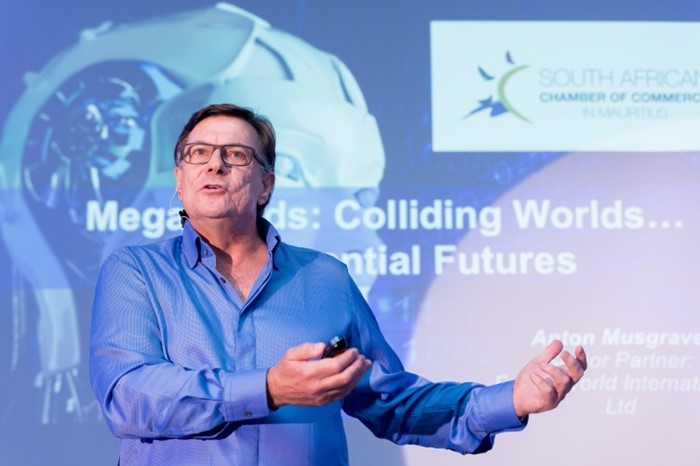
AfrAsia & SA Chamber of Commerce host futurist expert, Anton Musgrave for thought-provoking experience
Events & Webinar
May 14, 2018
AfrAsia & SA Chamber of Commerce host futurist expert, Anton Musgrave for thought-provoking experience
-
 Business & Innovation
January 01, 0001
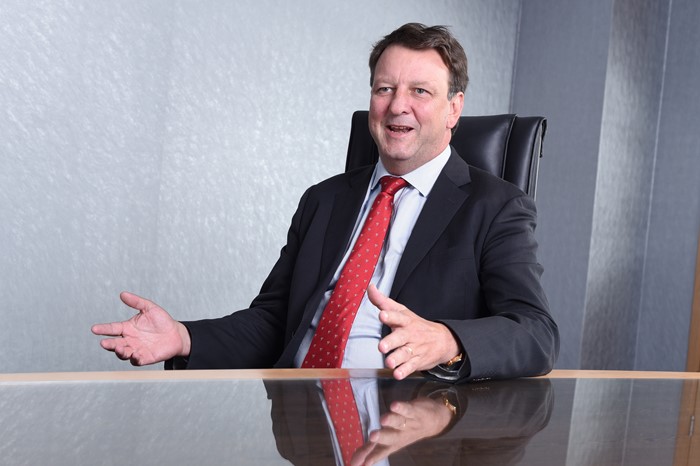
A clientele made up of 70% foreigners
Business & Innovation
January 01, 0001
A clientele made up of 70% foreigners
Get the latest news, straight to your inbox
Copyright 2026 AfrAsia Bank Limited