Be kind whenever possible. It is always possible.
USD
EUR/USD
The Euro rose to $1.1750 as markets priced in rising odds of an ECB rate hike in June following hawkish comments from policymakers and persistent energy-driven inflation risks tied to Middle East tensions.
GBP/USD
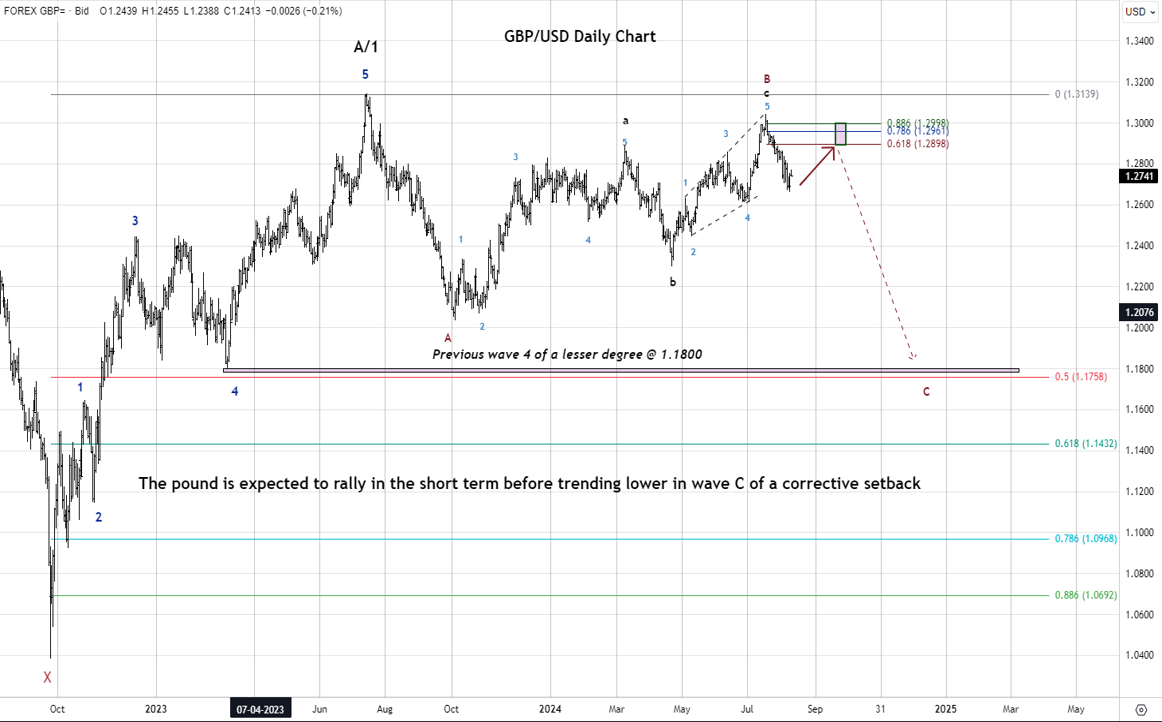
The Pound Sterling climbed to $1.3600 as optimism over possible US-Iran de-escalation lifted sentiment, however, traders remain cautious ahead of UK local election fallout and concerns over slowing UK growth and fiscal stability.
USD/JPY
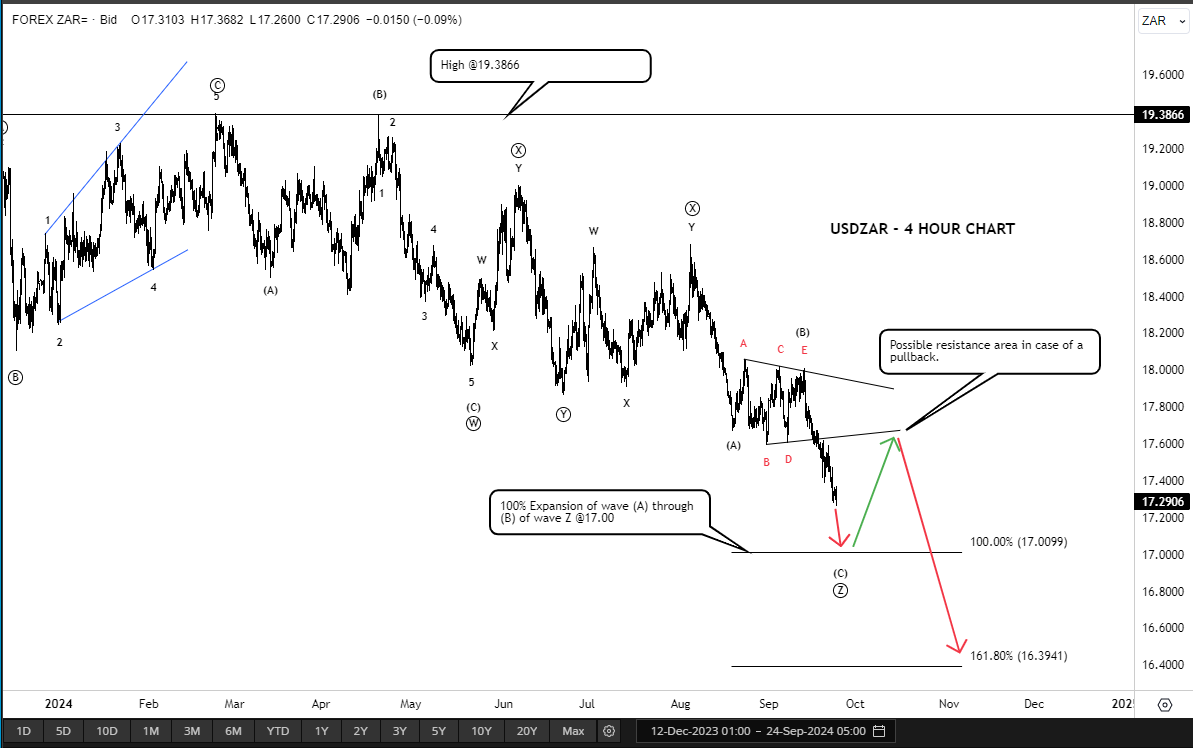
The South African rand strengthened to 16.6828 against the U.S. Dollar with improved global risk appetite supported emerging-market currencies, despite ongoing domestic fiscal and power-supply concerns.
USD/MUR
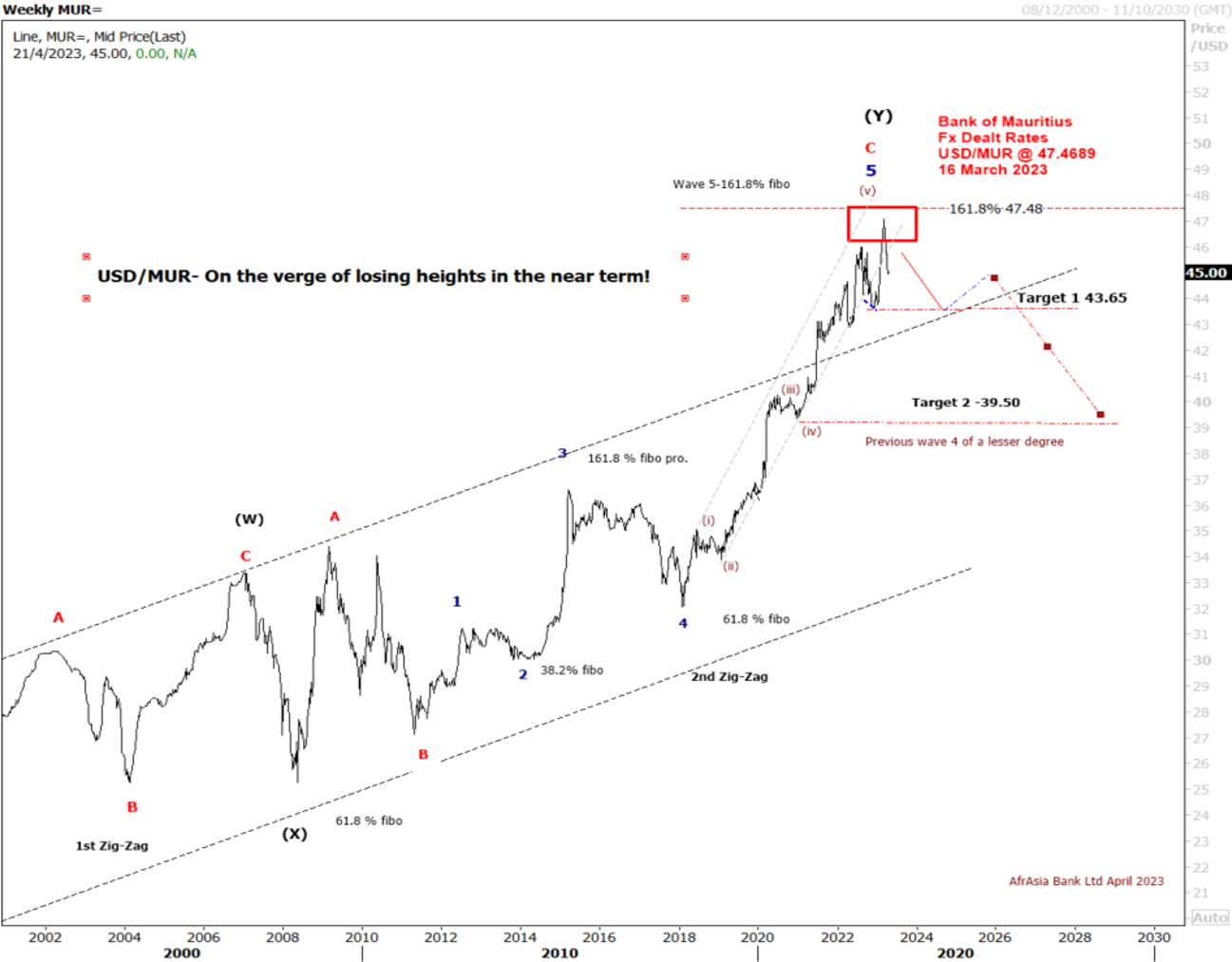
The Dollar–Rupee was trading lower at 47.4299 (selling) this morning.
11:15 AM EUR ECB's De Guindos speech
1:00 PM EUR Retail Sales (YoY) (Mar)
3:30 PM USD Challenger Job Cuts (Apr)
4:00 PM EUR ECB's Elderson speech
4:30 PM USD Nonfarm Productivity (Q1) Prel
4:30 PM USD Unit Labor Costs (Q1) Prel
4:40 PM EUR ECB's Lane speech
9:00 PM EUR ECB's Schnabel speech
9:00 PM USD Fed's Kashkari speech
11:30 PM USD Fed's Williams speech

Technical News – EUR/USD
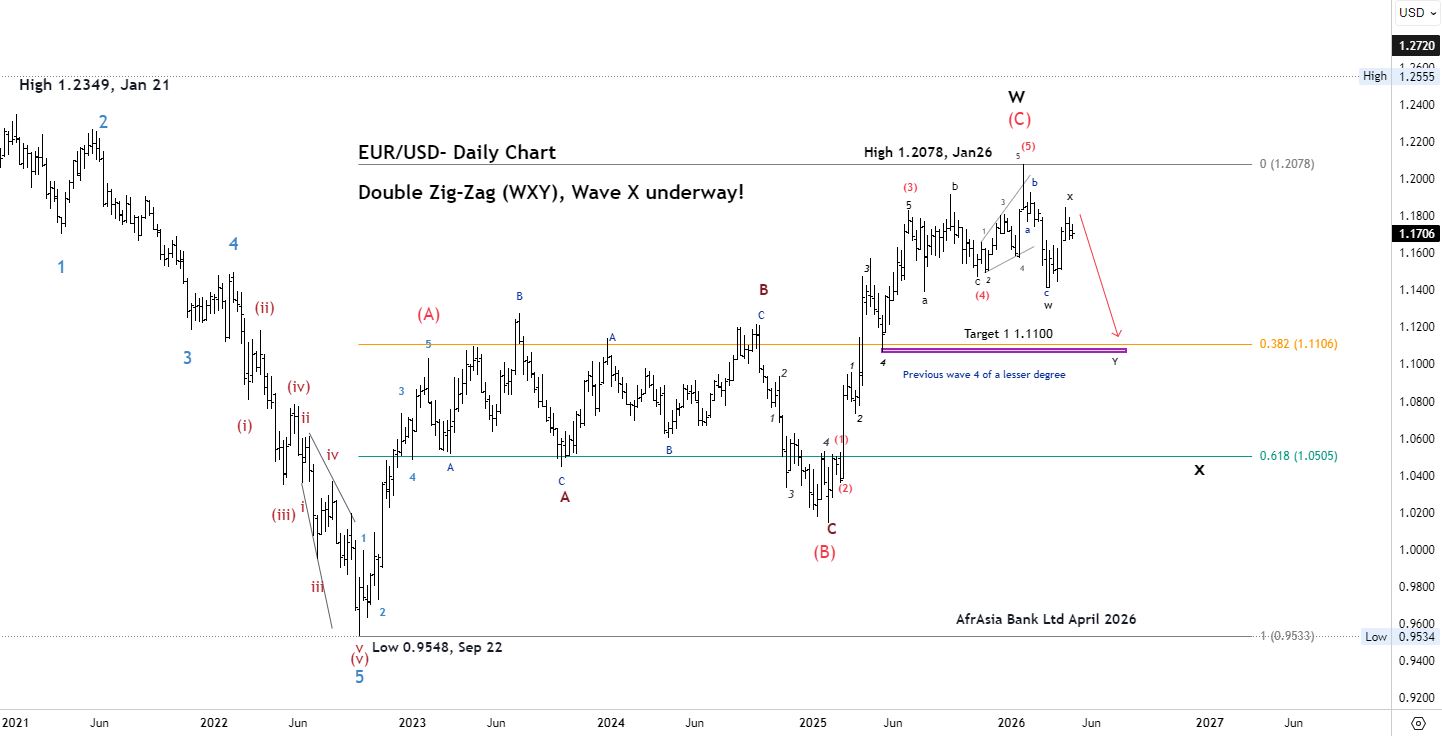
Double Zig-Zag (WXY) Structure; Larger-Degree Wave X Still Unfolding
Following a peak at $1.2078 on 26 January 2026, EUR/USD has retraced part of its 2025 gains, falling to $1.1411 before recovering toward the $1.17 area.
From an Elliott Wave perspective, the pair appears to have completed wave W and is currently unfolding a larger-degree wave X within a broader double zig-zag corrective structure (WXY). While elements of wave X's internal structure appear relatively mature, the overall corrective phase is still in progress.
The recent recovery toward $1.17 is therefore interpreted as part of this ongoing wave X, rather than the start of a new impulsive sequence. As such, once wave X completes, the pair is expected to transition into wave Y, resuming the broader corrective decline.
In this context, a move lower is anticipated over the coming months. In the near term, an initial downside target is seen at $1.1100, which marks a key support zone defined by the Fibonacci retracement (0.382) and the previous fourth wave of a lesser degree. Further downside extension remains possible as wave Y develops.
On the upside, a sustained break above the $1.20–$1.2078 area would invalidate the current WXY corrective scenario.